
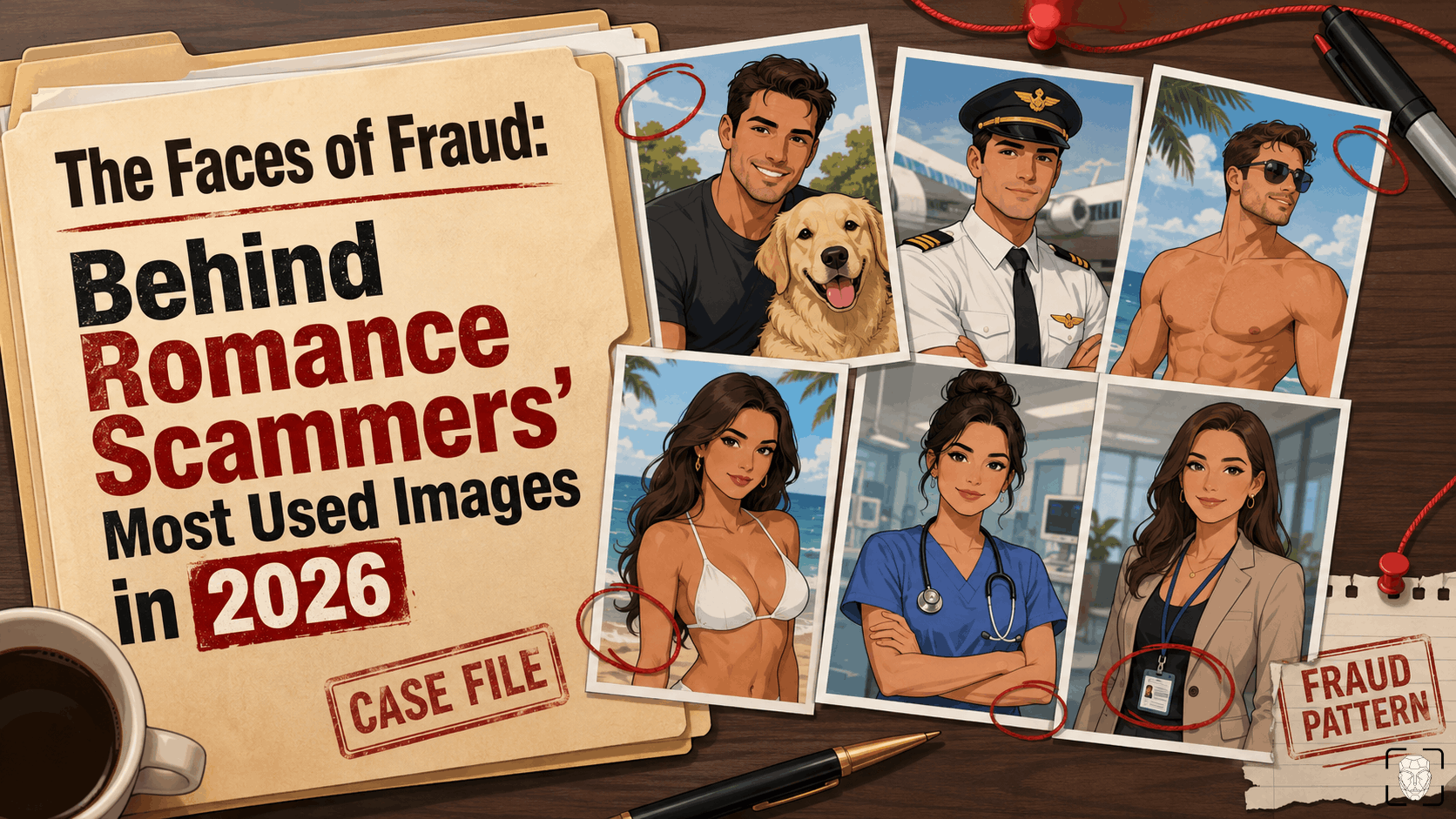
Romance scams have become a major online problem.
In 2025 alone, the FBI’s IC3 reported $929.3 million in losses from confidence and romance scams, compared to $672 million in 2024 – a 38% increase over 1 year.
Scammers continue targeting users across widely used platforms like Tinder, Bumble, Snapchat, TikTok, and Plenty of Fish (POF).
To find out exactly how romance scammers operate, we did our own internal research. ProFaceFinder analyzed 100 recent images that real people searched for on our reverse-face lookup tool.
By breaking down visual details, ProFaceFinder identified recurring patterns used in romance scams.
Upload a photo and let ProFaceFinder do the digging. It finds matches even when PimEyes doesn’t, across Social Media, dating apps, and more.
Disclaimer: Most people in these photos are victims of identity theft. We are looking strictly at the scammers’ taste in photography.
TL;DR
💸 Romance scams are now a billion-dollar-level threat. FBI IC3 reported $929.3M in confidence and romance scam losses in 2025, a 38% jump from 2024.
👩 Female scammer photos were built to look attractive but casual. 99% had standout beauty traits, 95% showed slim-to-medium builds, and 90% used light or no makeup.
👨 Male scammer photos focused on trust and status. 74% had facial hair, 46% used friendly expressions, 12% included dogs, and wealth cues appeared 1.7x more often than in female photos.
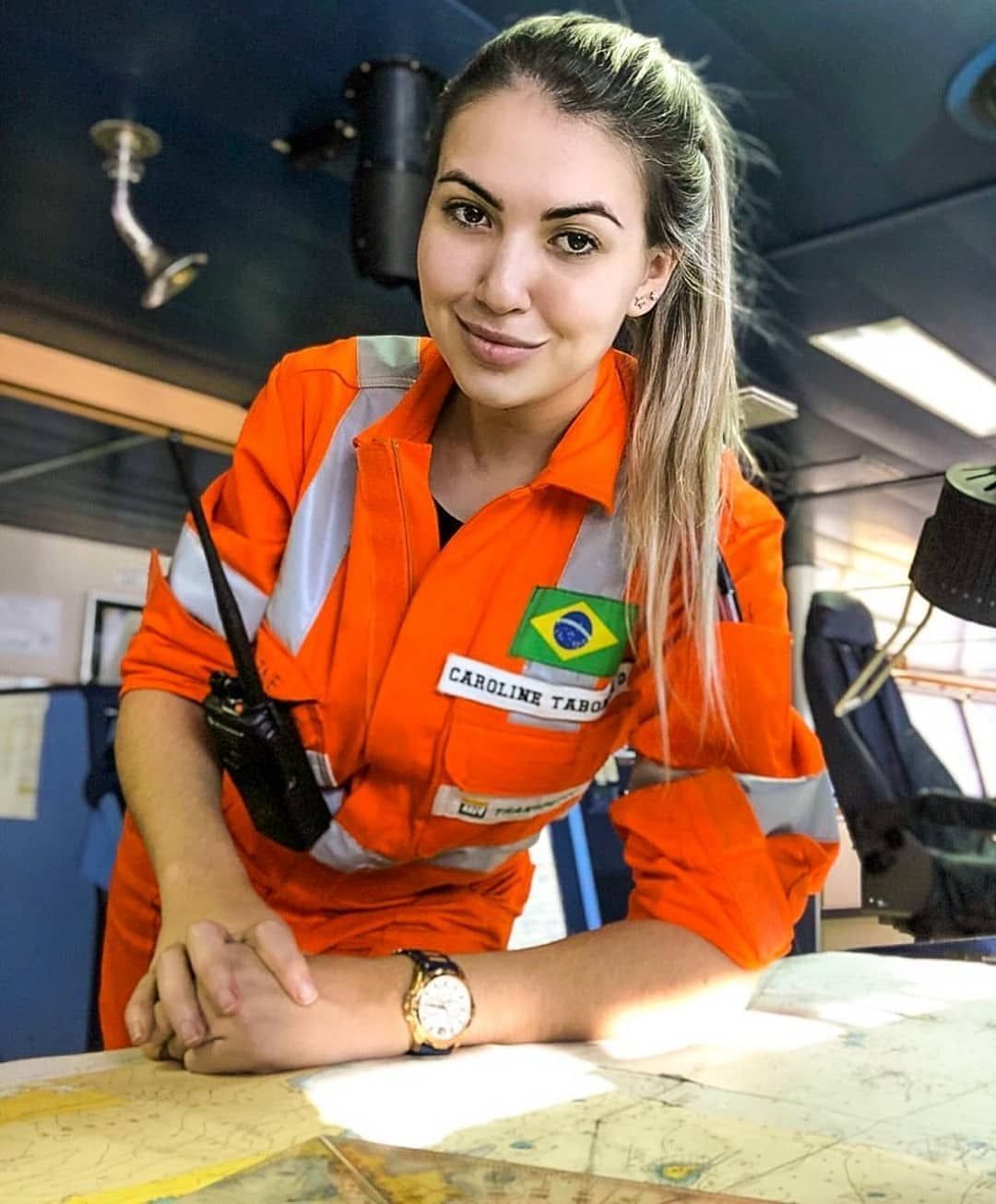
🎖️ Uniforms, jobs, and badges made profiles look official. Scammers used doctor, military, pilot, engineer, oil-worker, and office-style cues to explain distance.
🤖 AI is making romance scams harder to spot. 12% of images used AI or edits; AI-generated faces have been rated 7.7% more trustworthy than real ones.
50 Most Common Key Traits in Female Scammer Photos




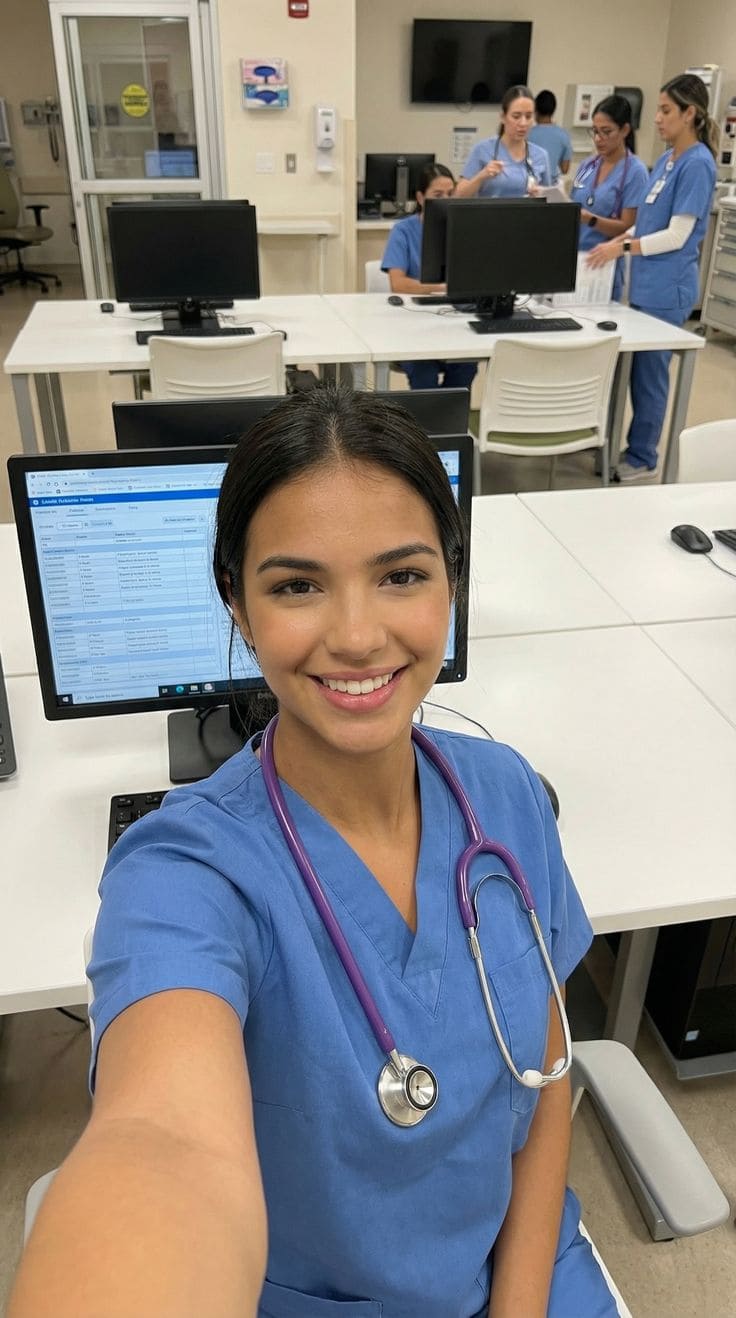
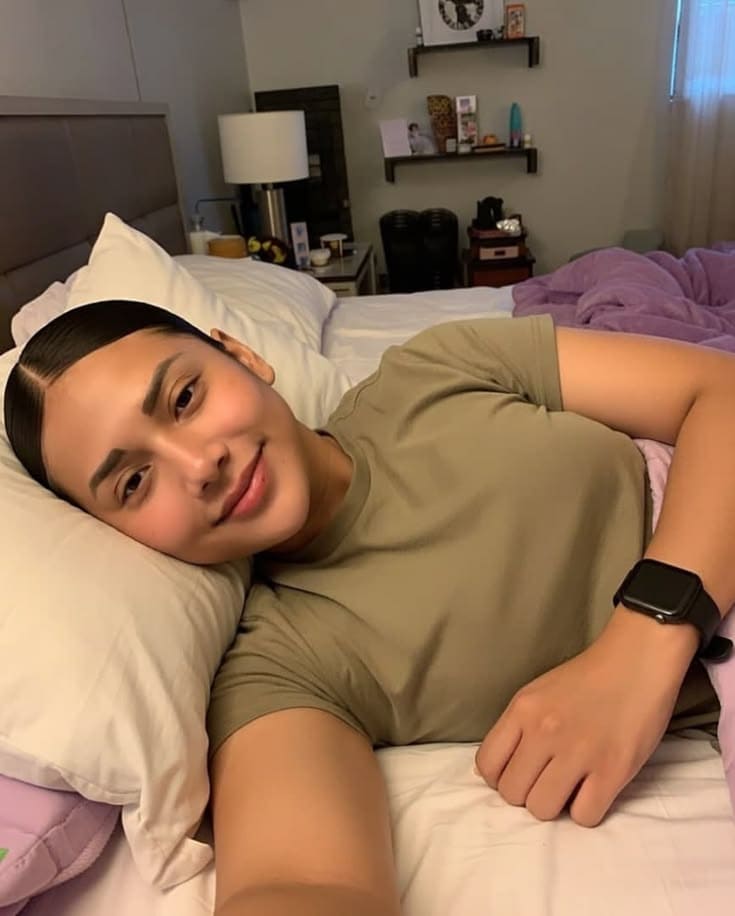



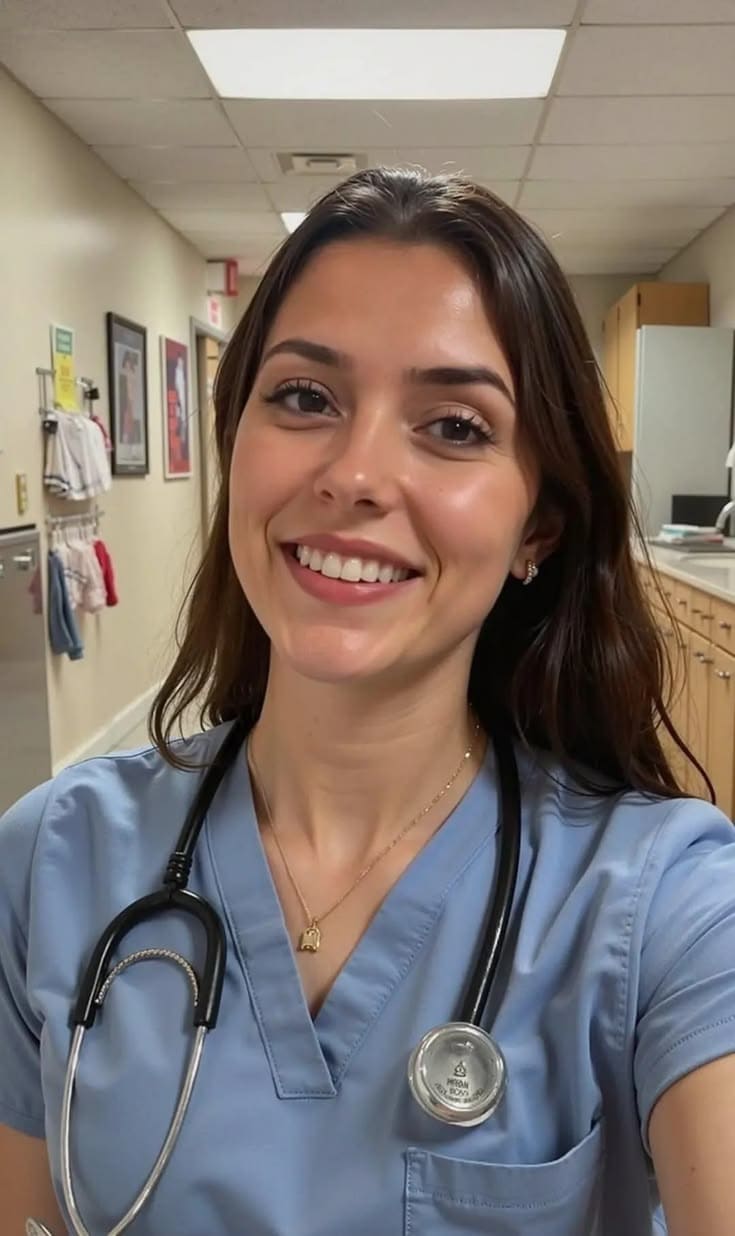

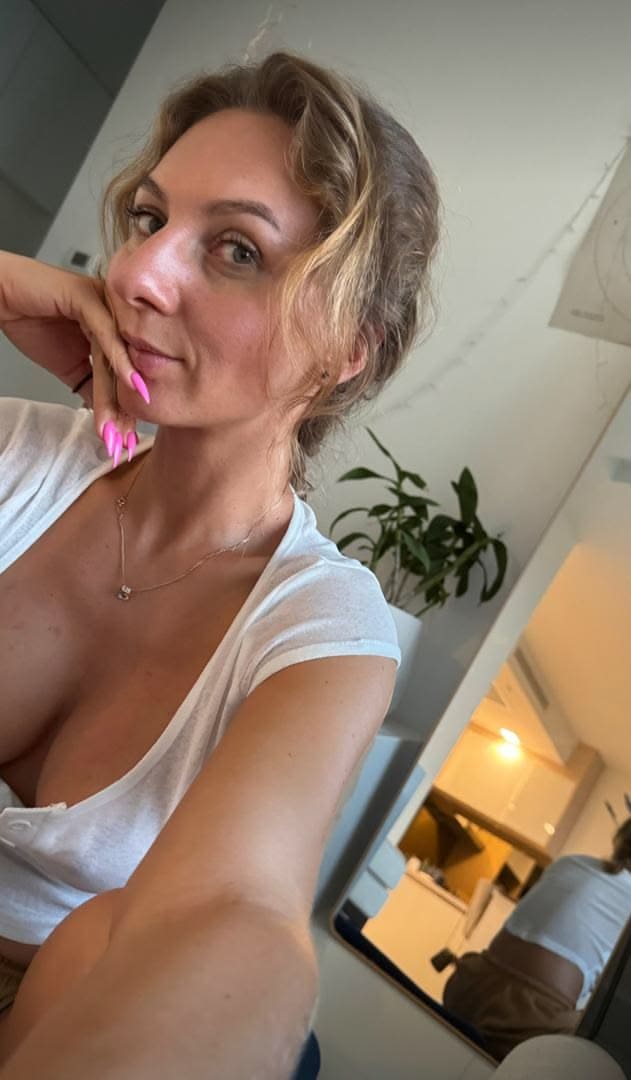






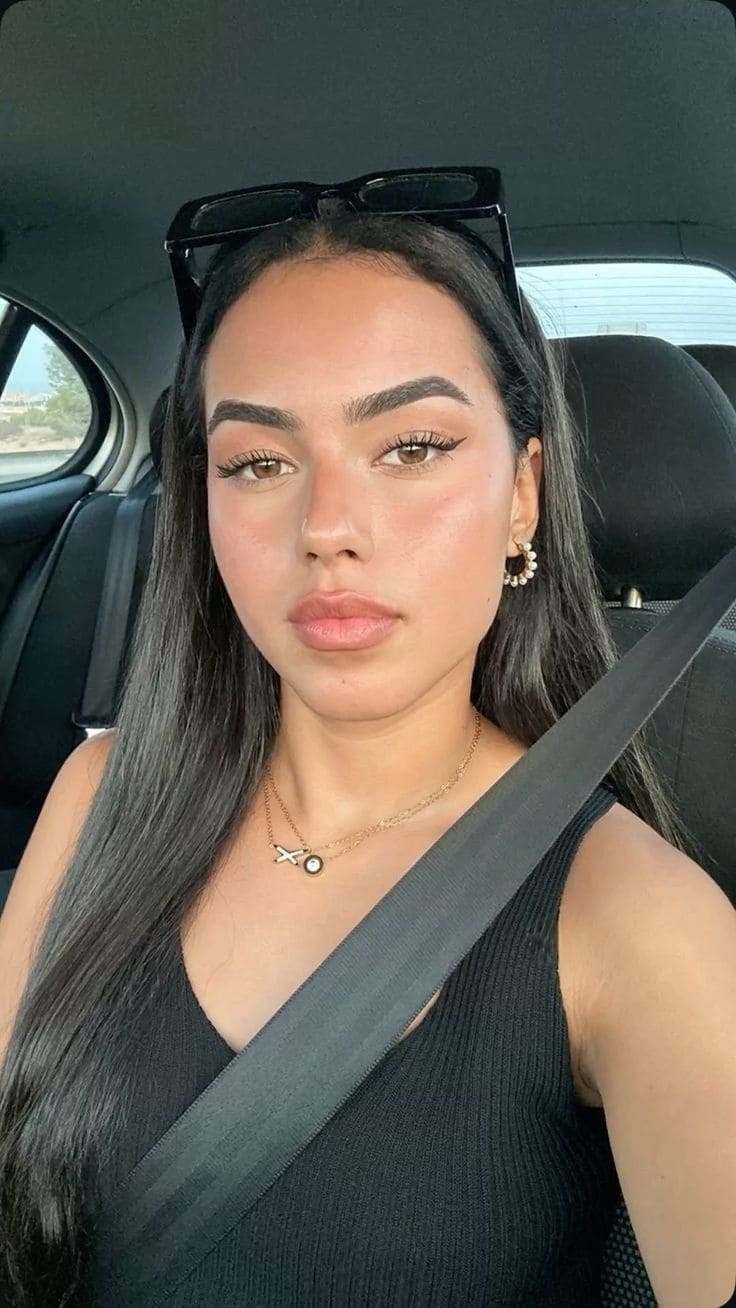
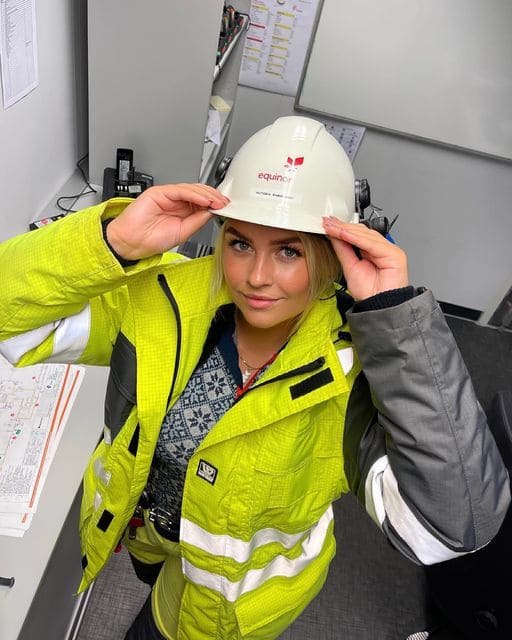
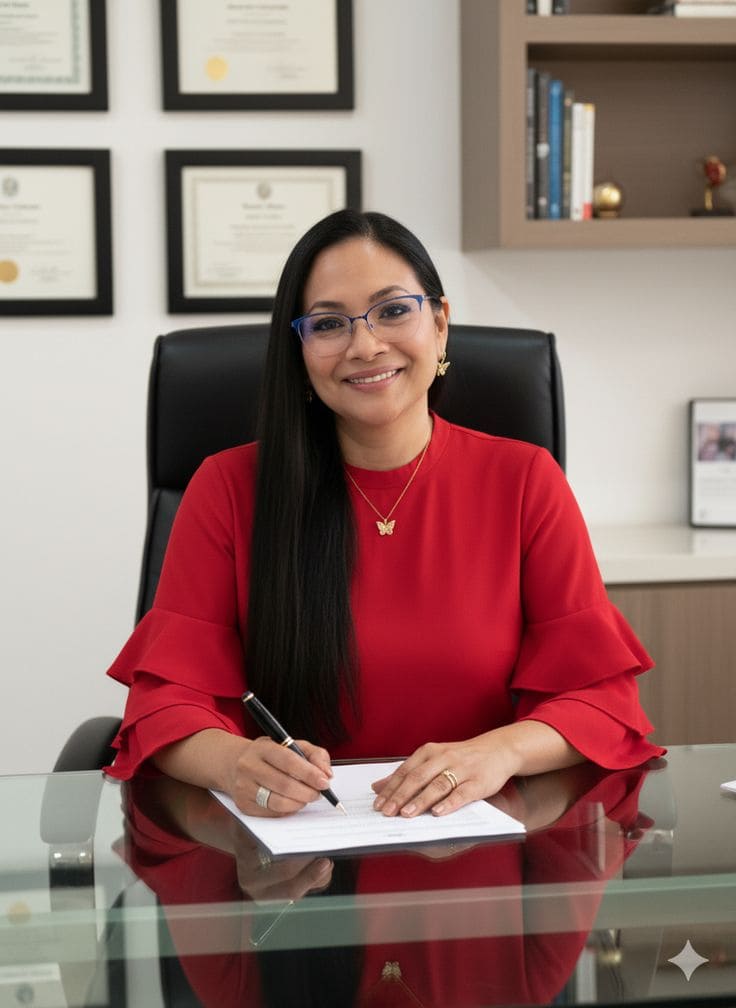
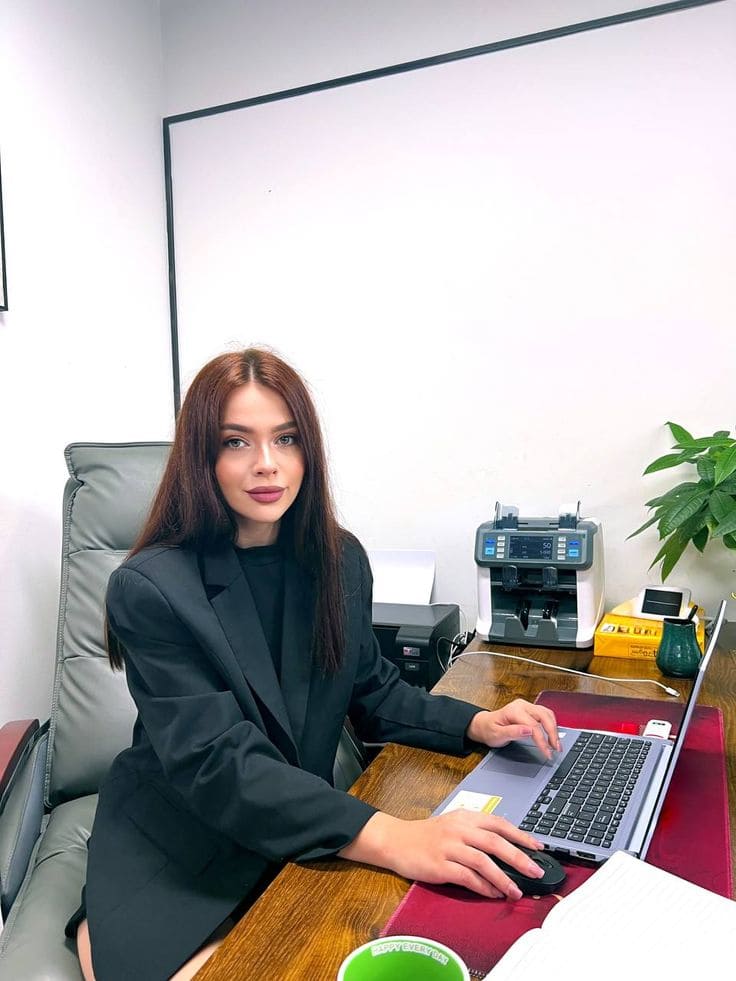






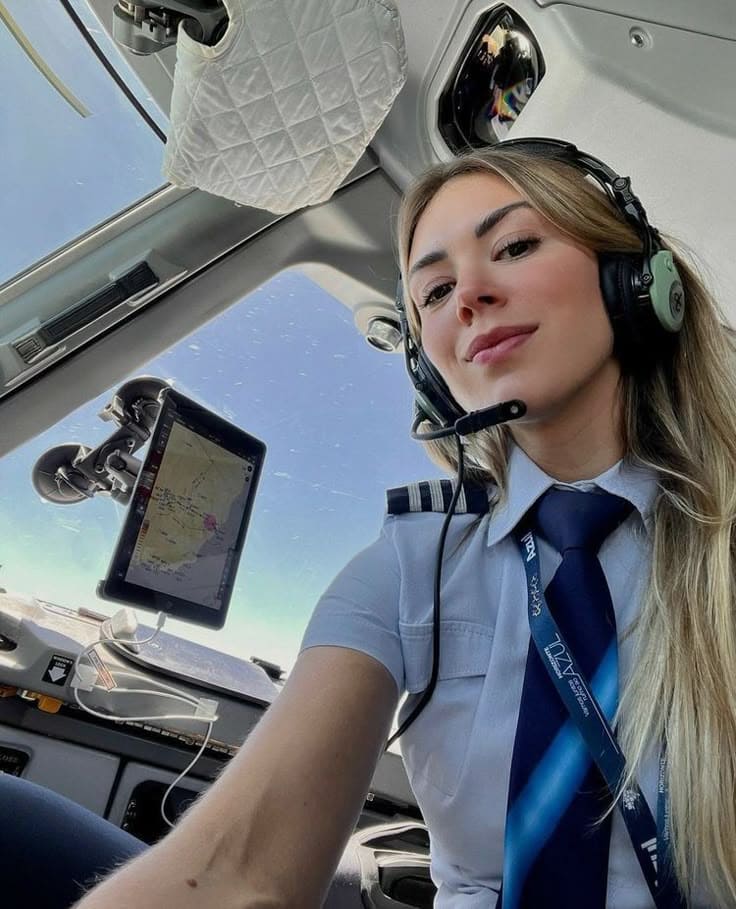


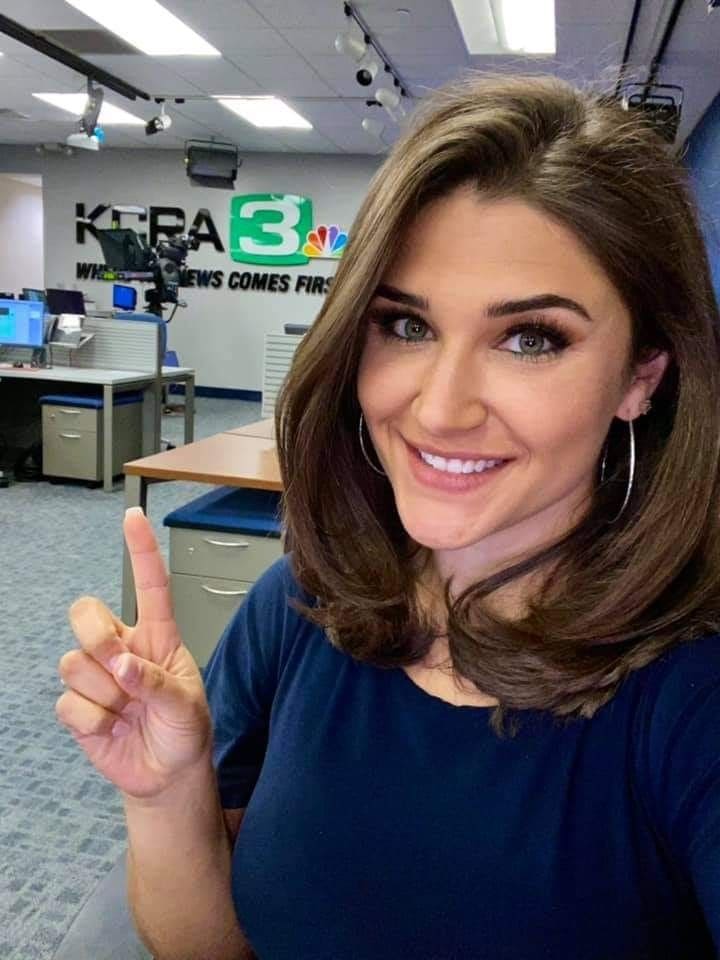

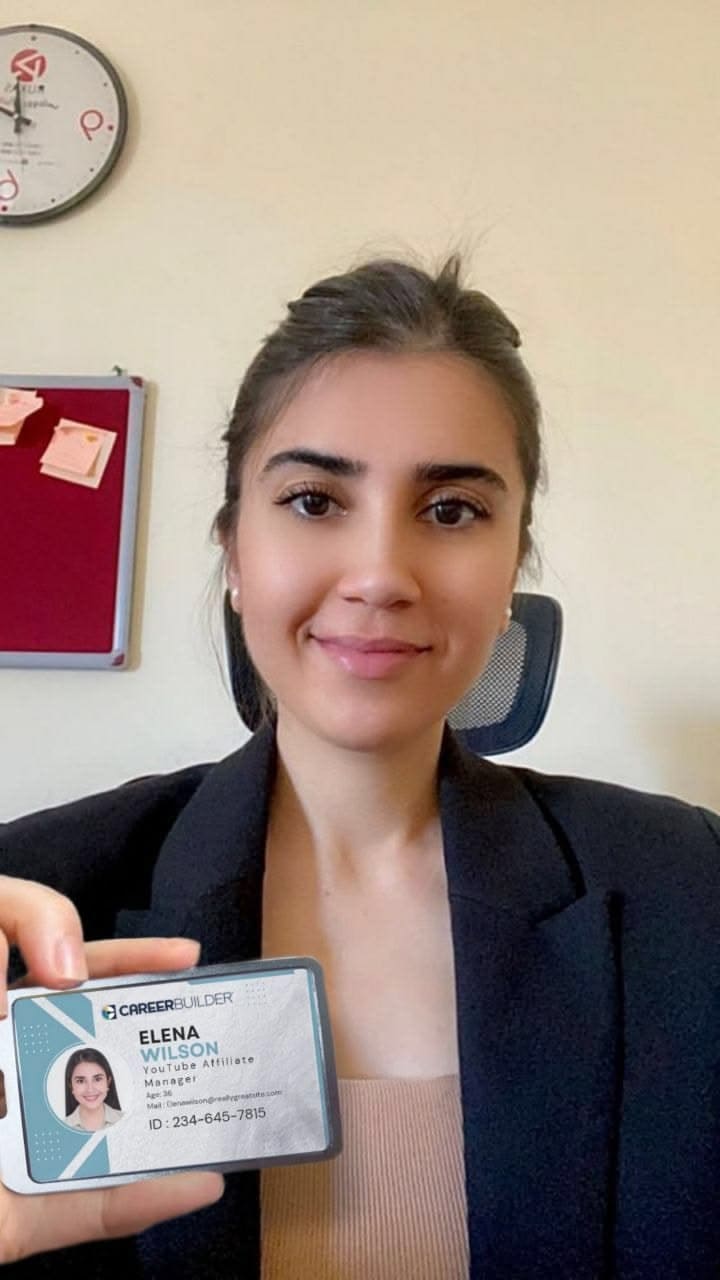






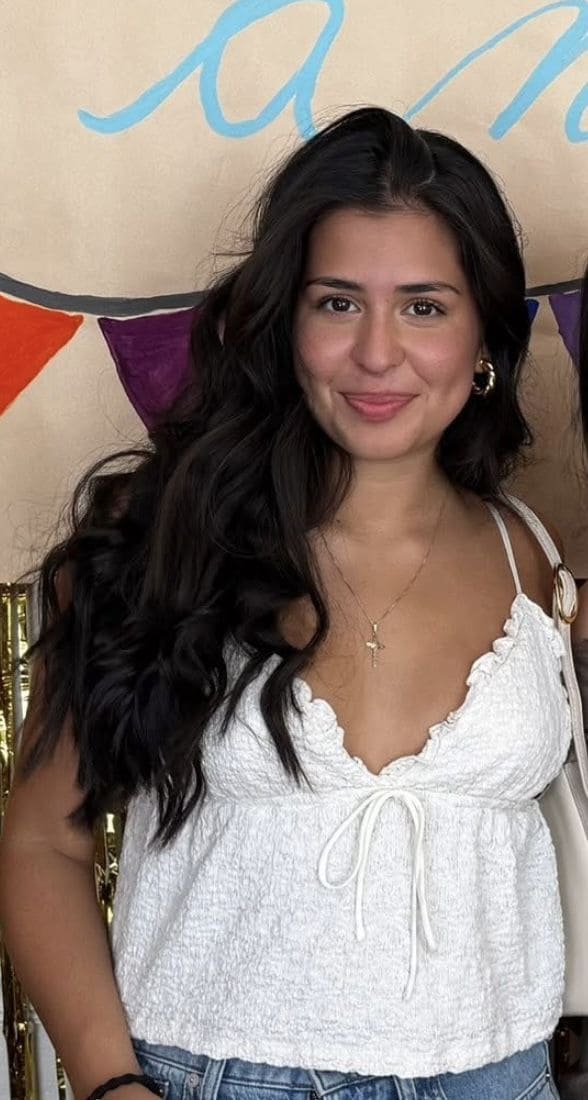




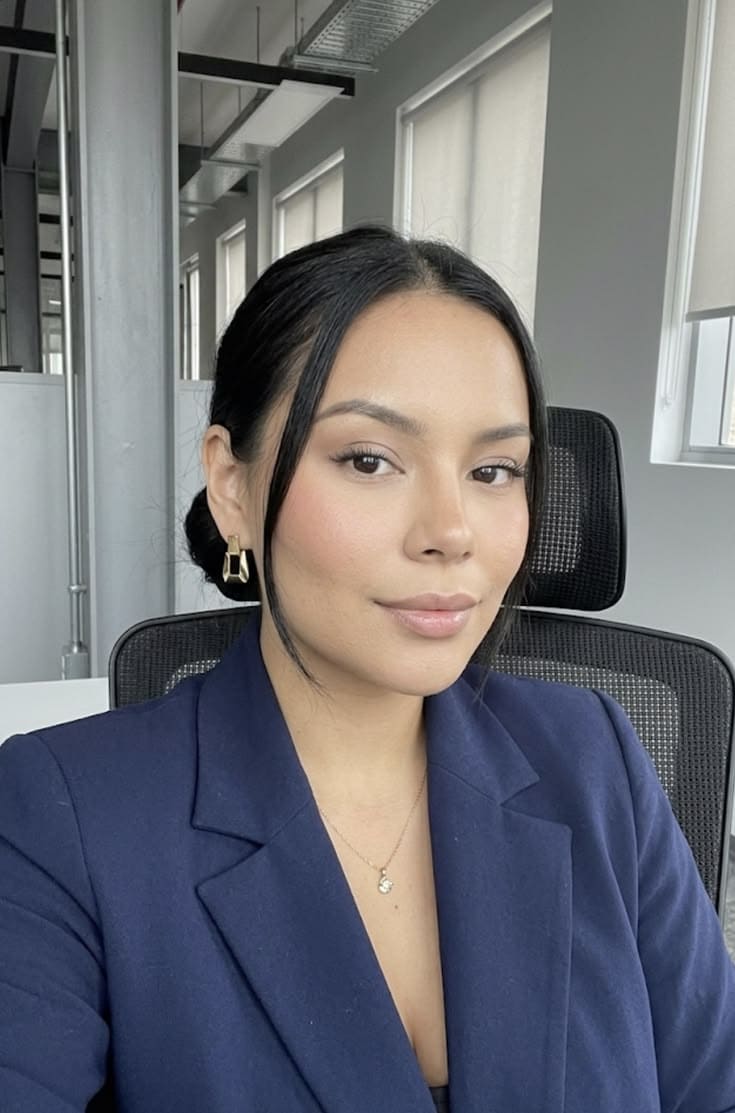
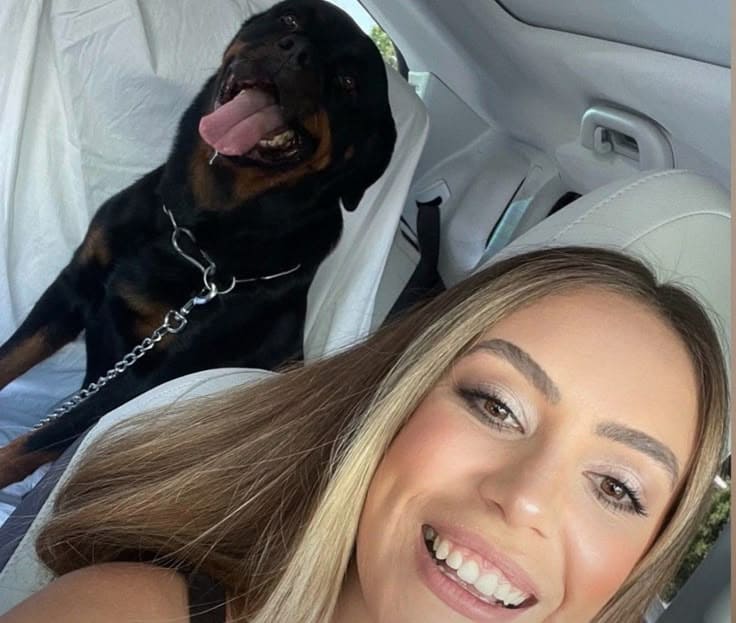

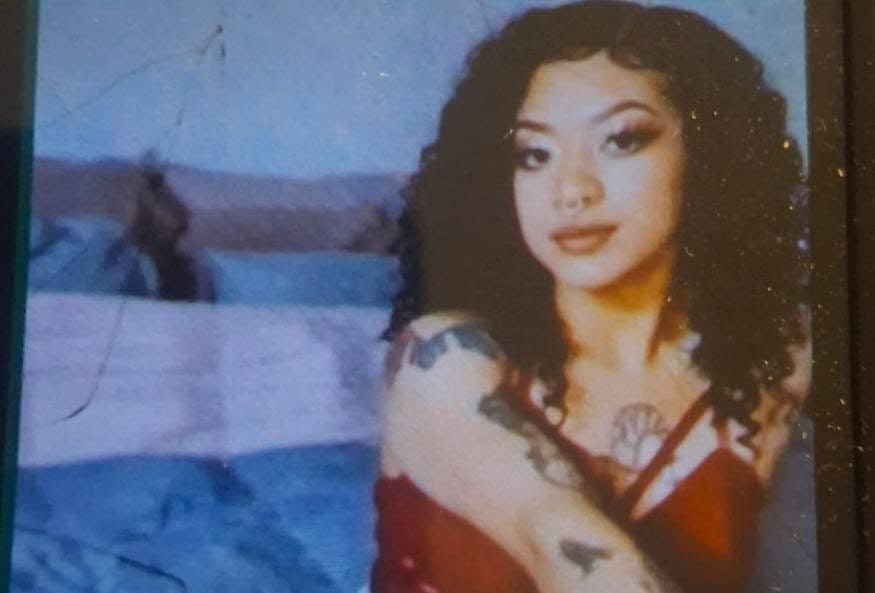
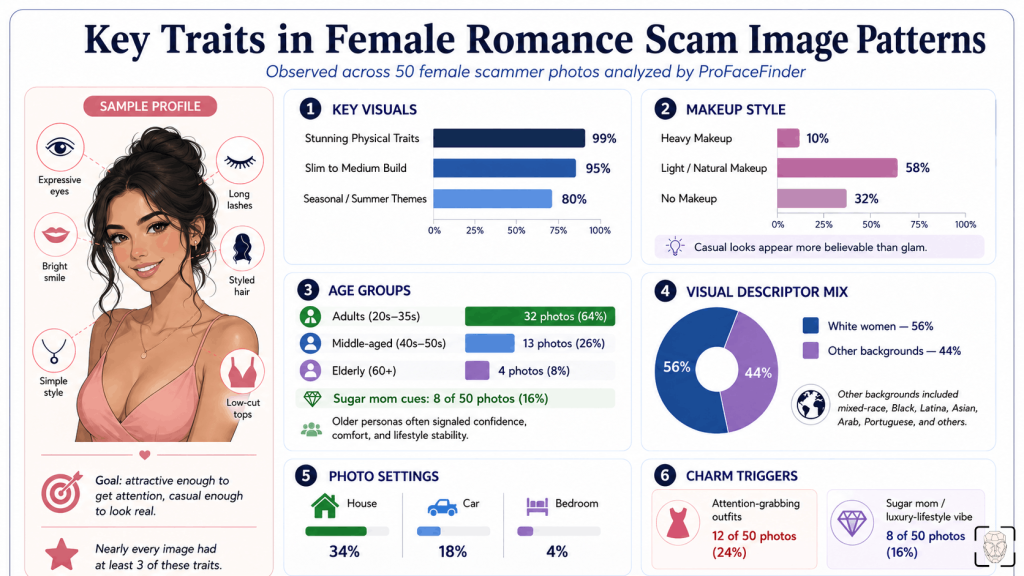
Female scammer photos had one clear goal: be attractive to get attention, but casual enough to look real.
Nearly all of them had a memorable physical detail, based on ProFaceFinder’s findings:
- gorgeous eyes
- long eyelashes
- bright teeth
- unique style
- Low-cut blouses
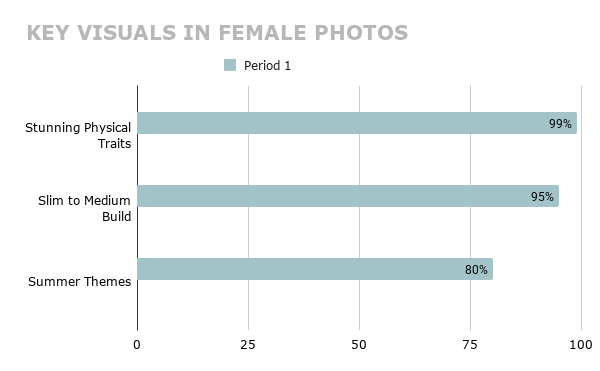
The body type pattern was very consistent, but the ethnicity of the women varied.
White women made up 56% of the used images, while the remaining 44% included mixed-race, Black, Latina, Asian, Arab, Portuguese, Ghanaian, and others.
As for age, most photos featured younger-looking women:
- 👩 Adults (20s–35s) appeared in 32 photos.
- 👩🦰 Middle-aged (40s–50s) appeared in 13 photos.
- 👵Elderly (60+) appeared in 4 photos.
But don’t let that tiny senior bracket fool you. “Sugar moms” appeared in 8 out of 50 photos.
These profiles play the role of a confident, successful, older woman – often shown in comfortable homes, expensive cars, restaurants, or other lifestyle settings.
Speaking of looks, only 5 of the images (or 10%) had women with heavy makeup; 58% of the women in the photos had light makeup, and 32% had none.
Scammers may be right to avoid the glam look, since a 2025 study from Liang et al. states that men and women rate natural faces as more trustworthy.
Romance scammers know how to switch on the charm when they want to. Roughly 1 in 4 female profiles (that’s 12 out of 50) wore outfits that grab attention, according to ProFaceFinder.
We’re talking bikinis, low-cut tops, revealing dresses, visible bras, or seductive posing.
Which makes sense because men may respond faster and perceive more romantic or sexual interest when clothing appears more revealing, as reported by Guéguen (2011).
But what really caught my eye were the backgrounds. Most scammers skipped studio-perfect backgrounds and went with everyday settings instead:
- 🏠 House (34%)
- 🚗 Car (18%)
- 🛏️ Bed (4%)
These familiar and intimate settings make fake stories feel more believable (like car troubles, travel problems, or emergency money requests).
50 Most Common Patterns Found in Male Scammer Photos


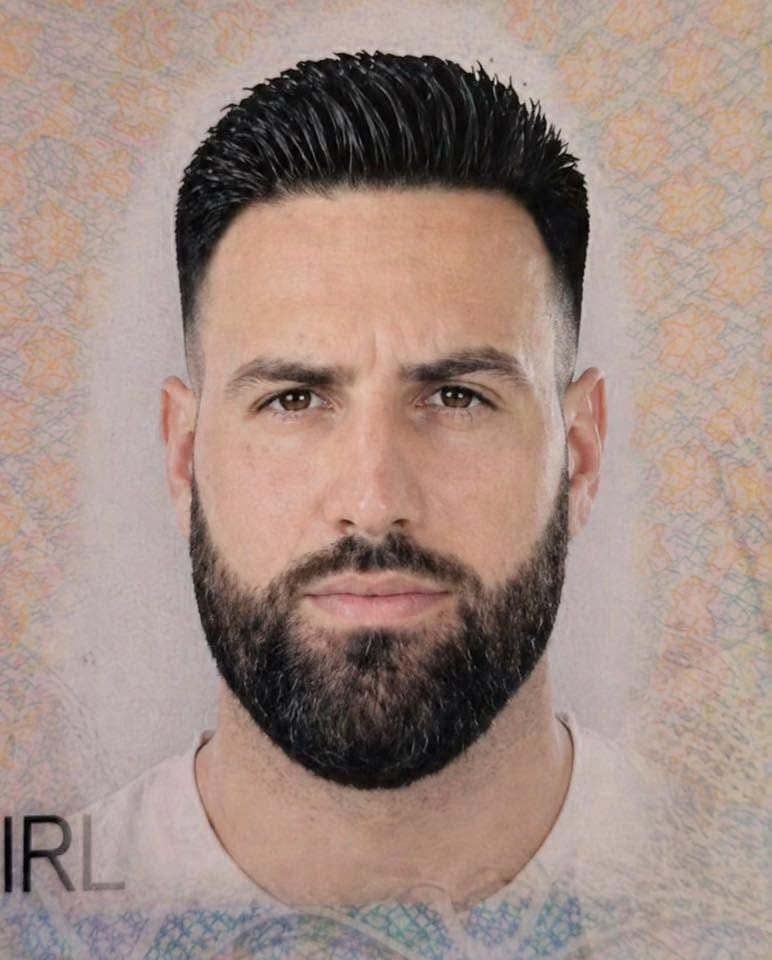
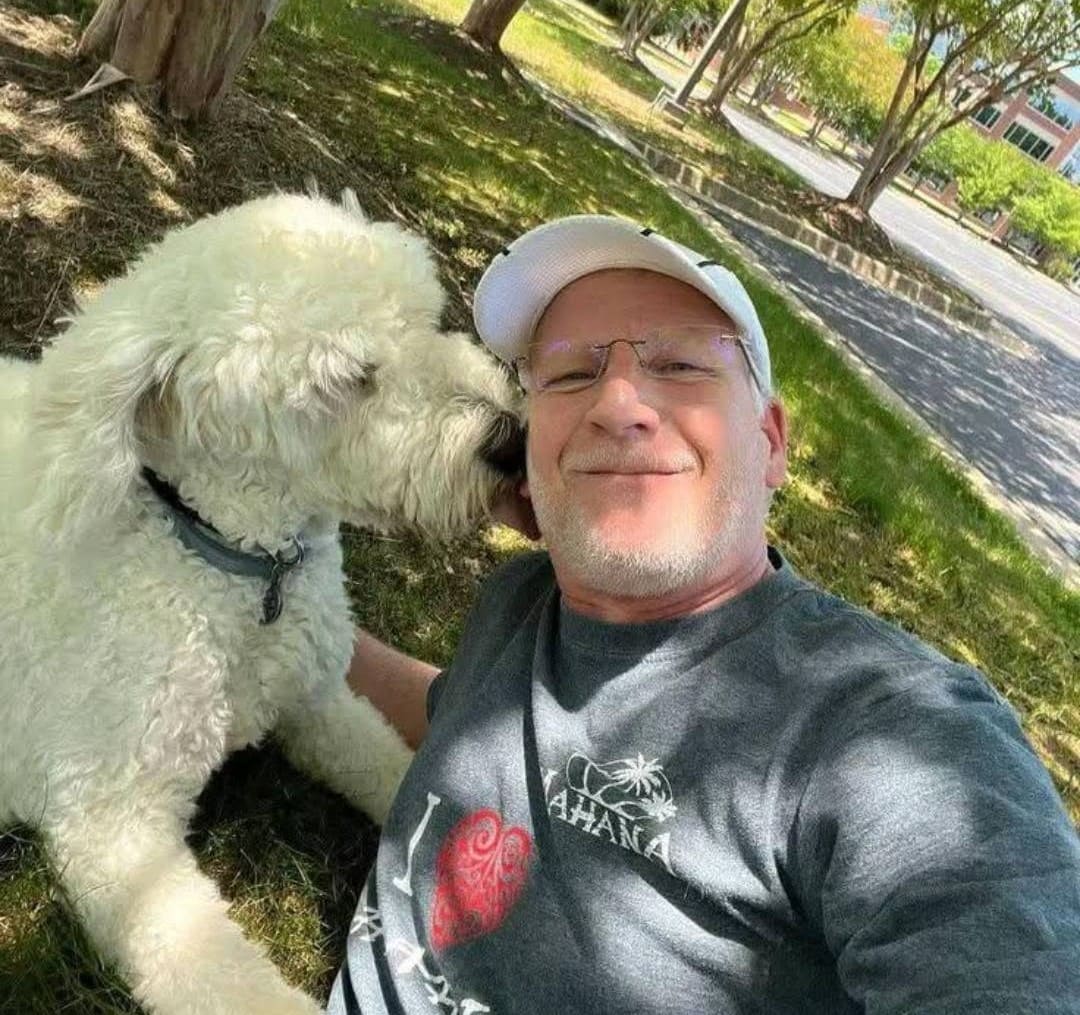


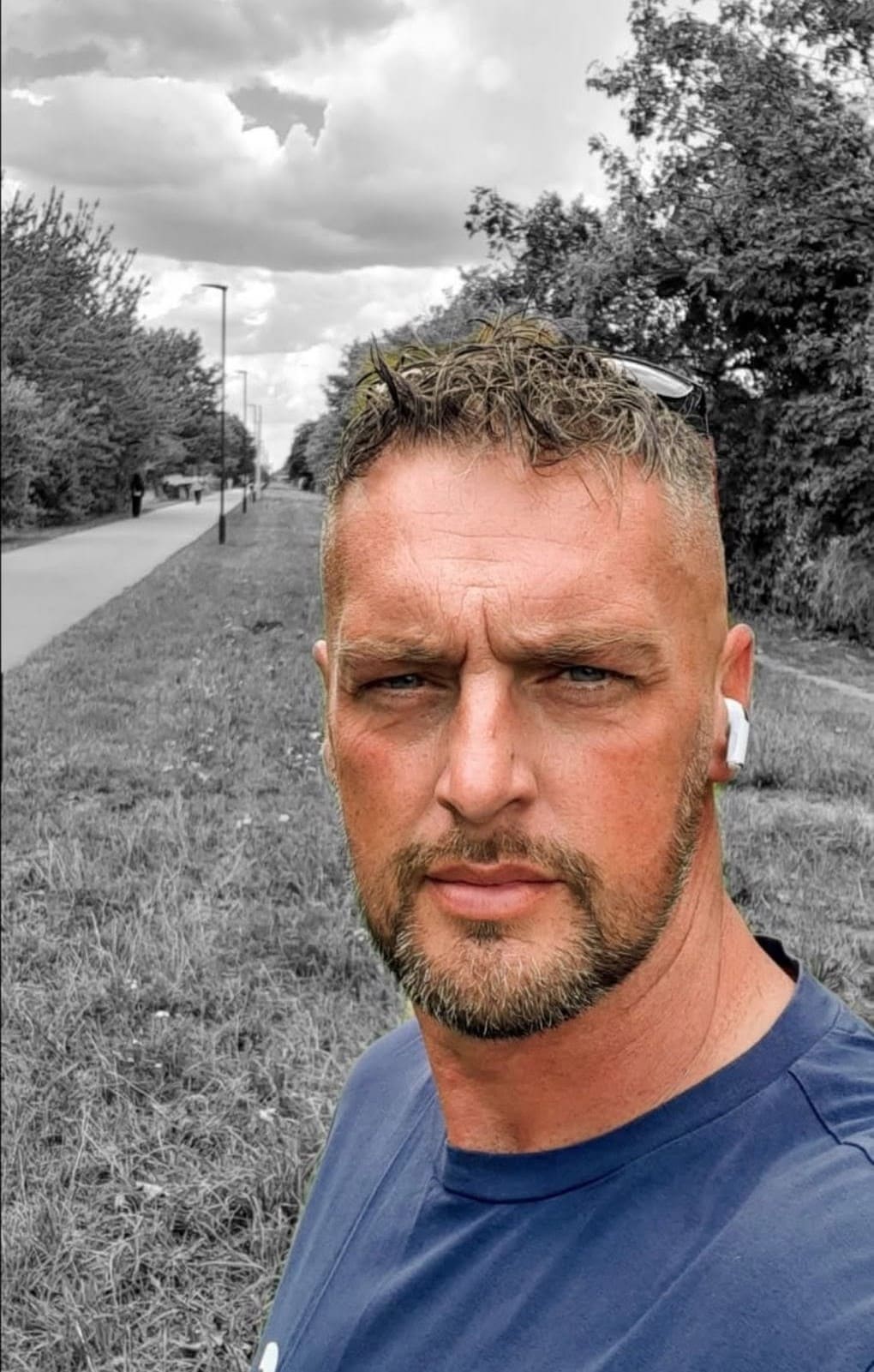


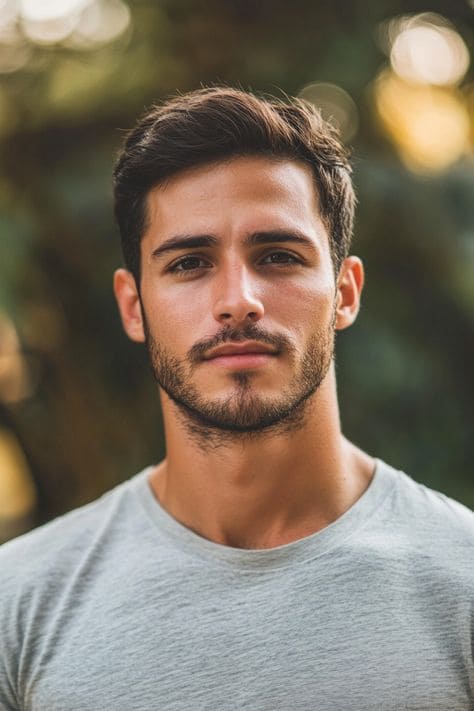


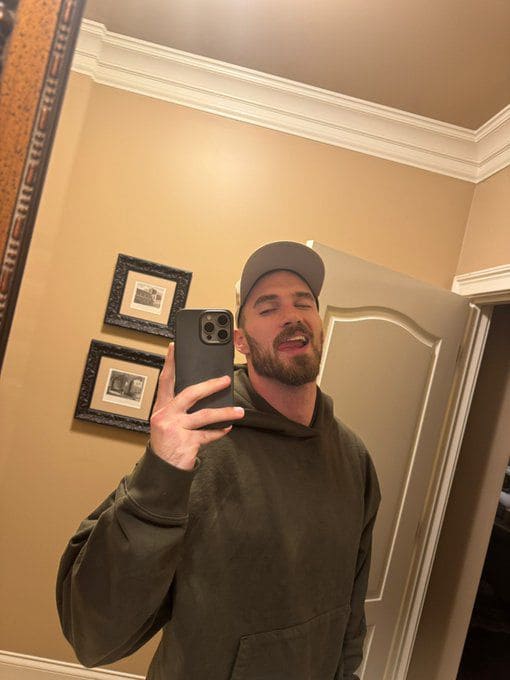
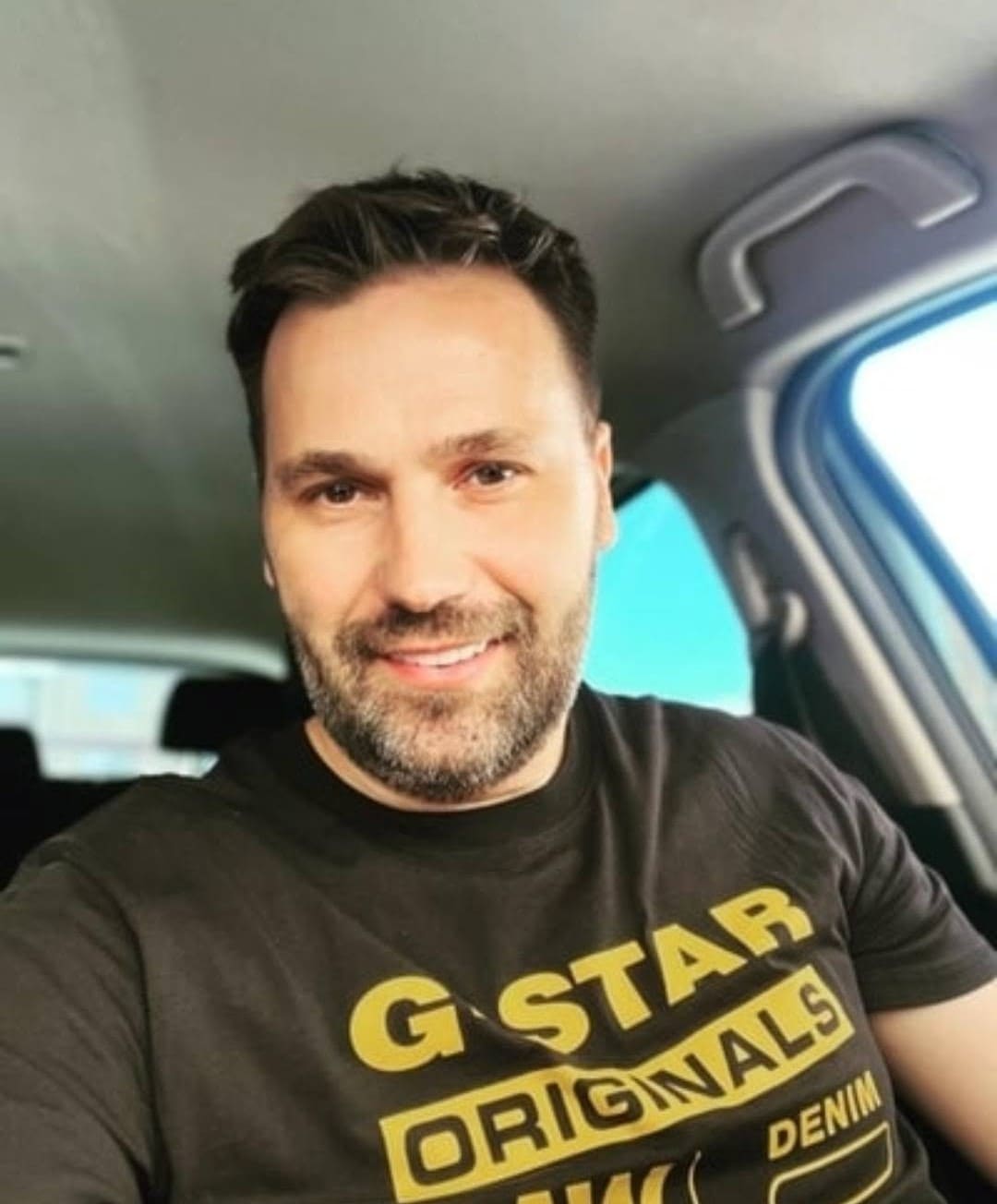
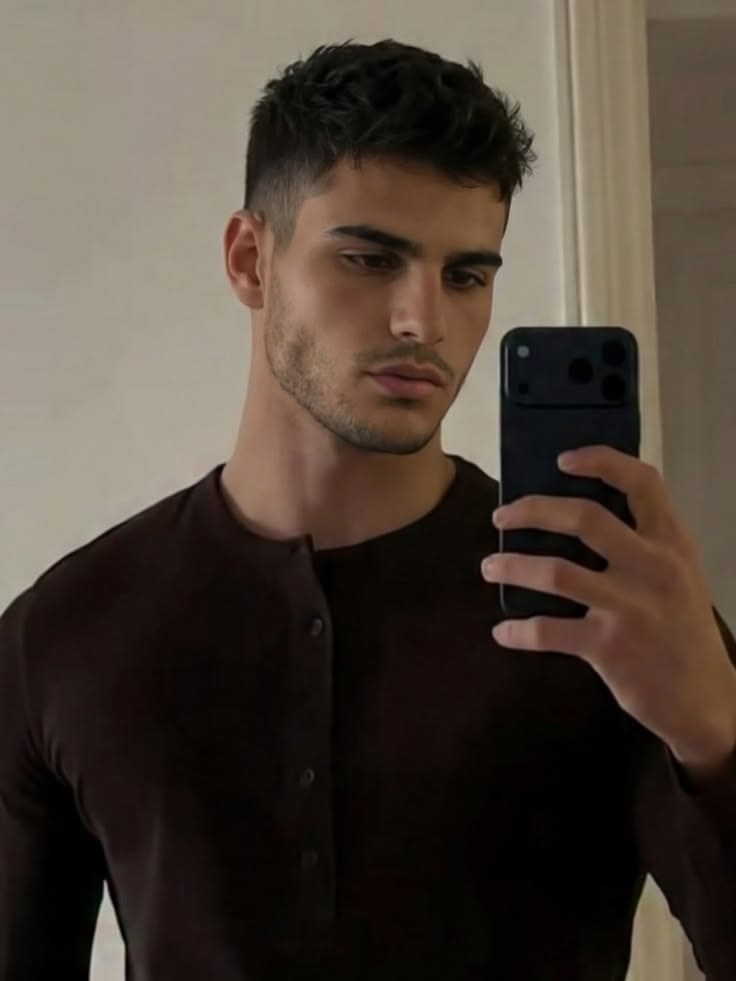
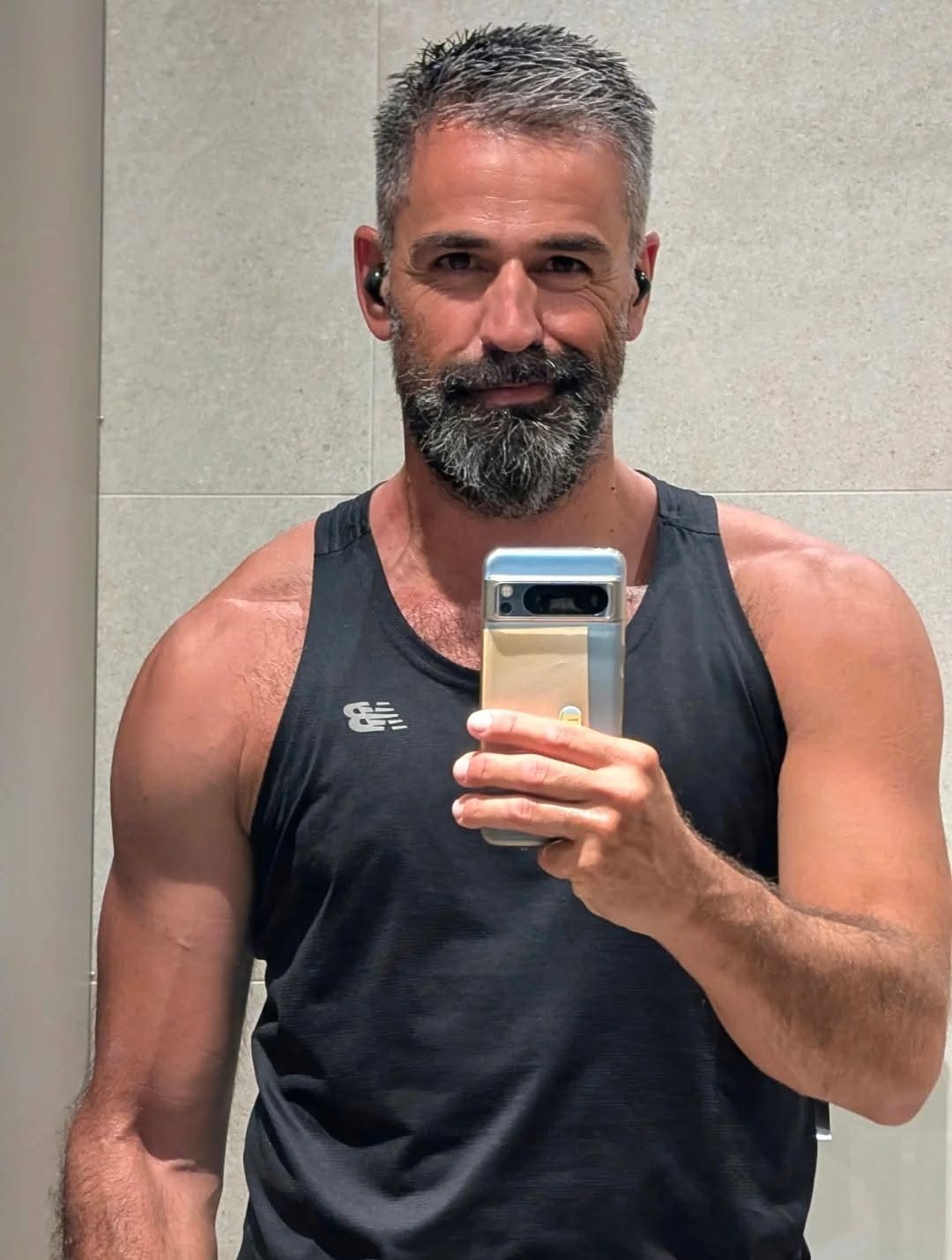

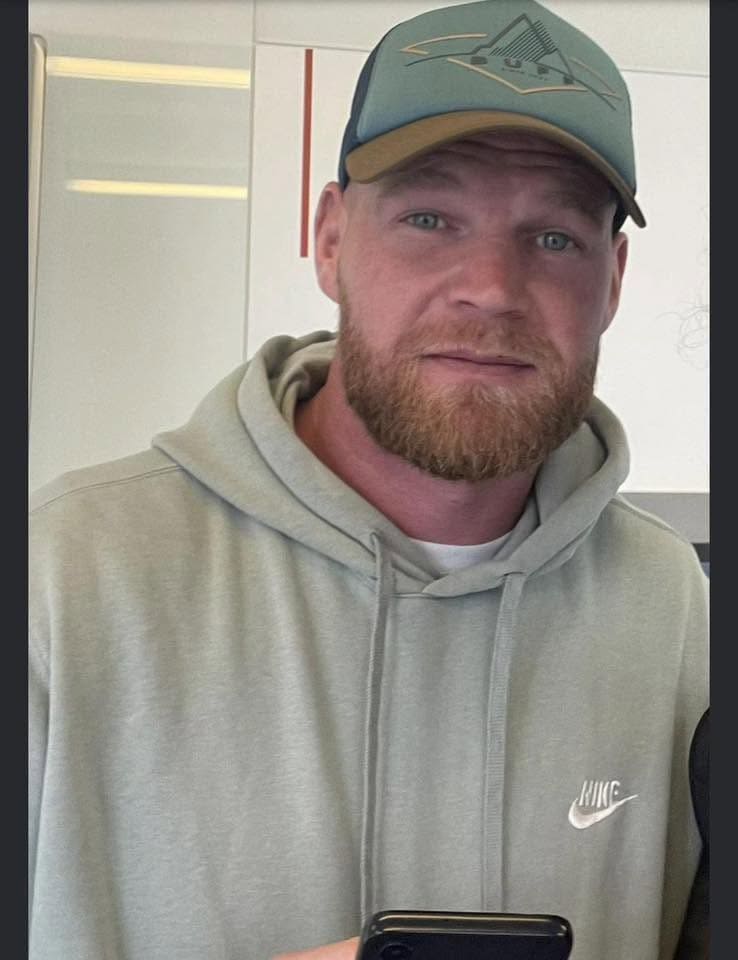
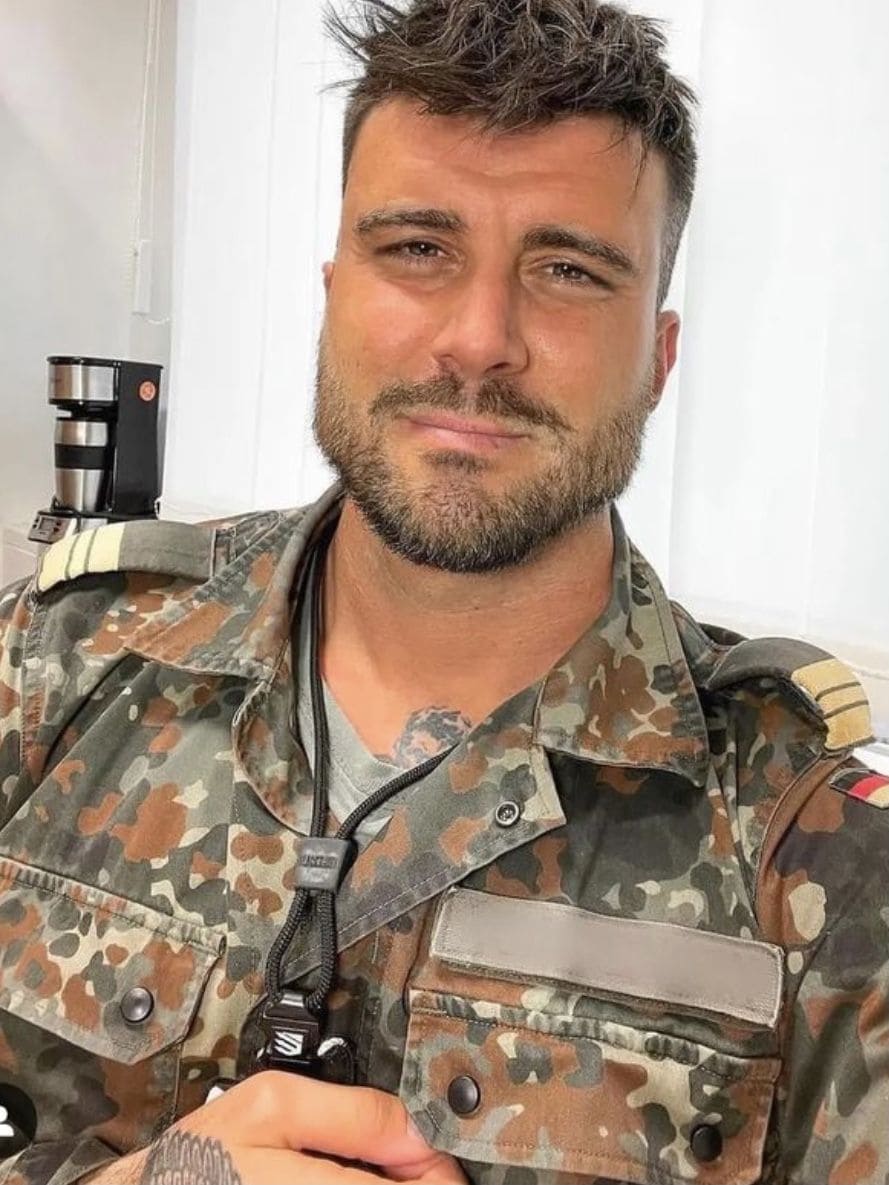

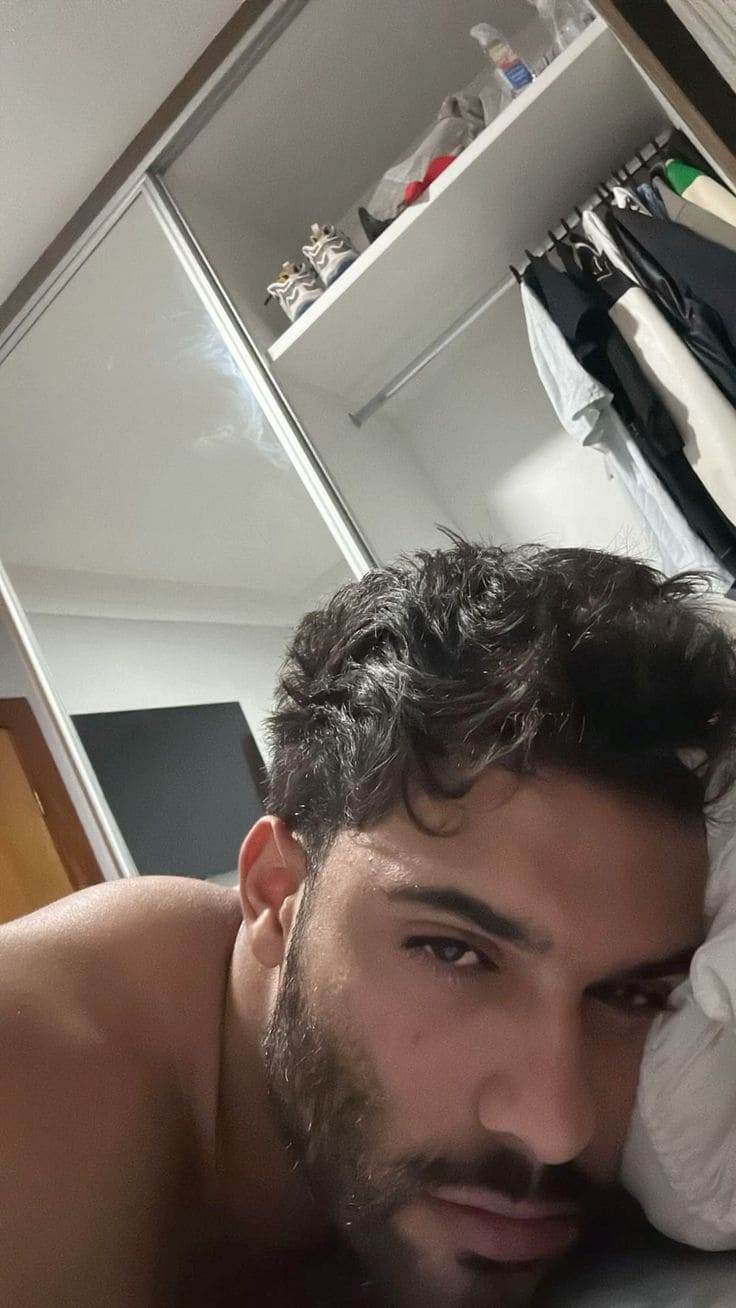


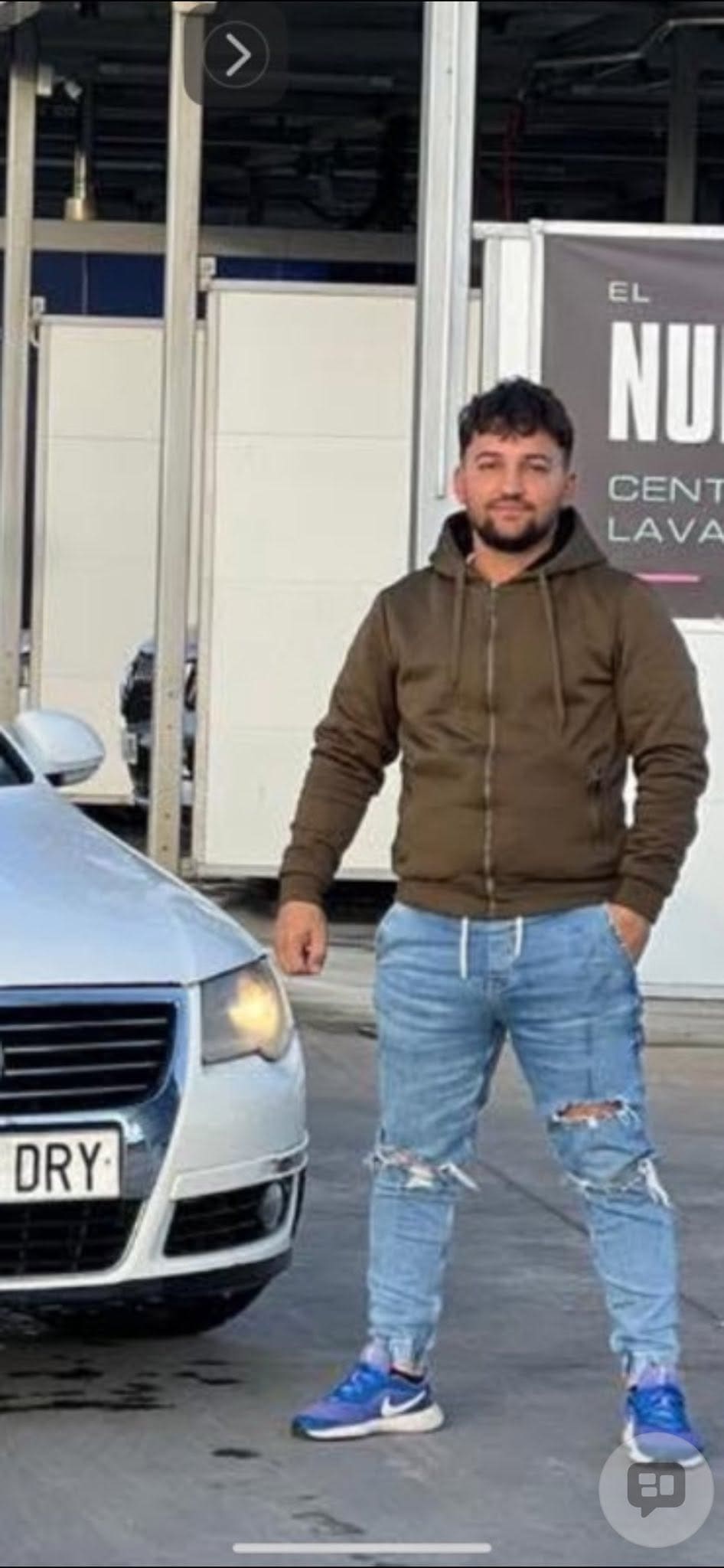
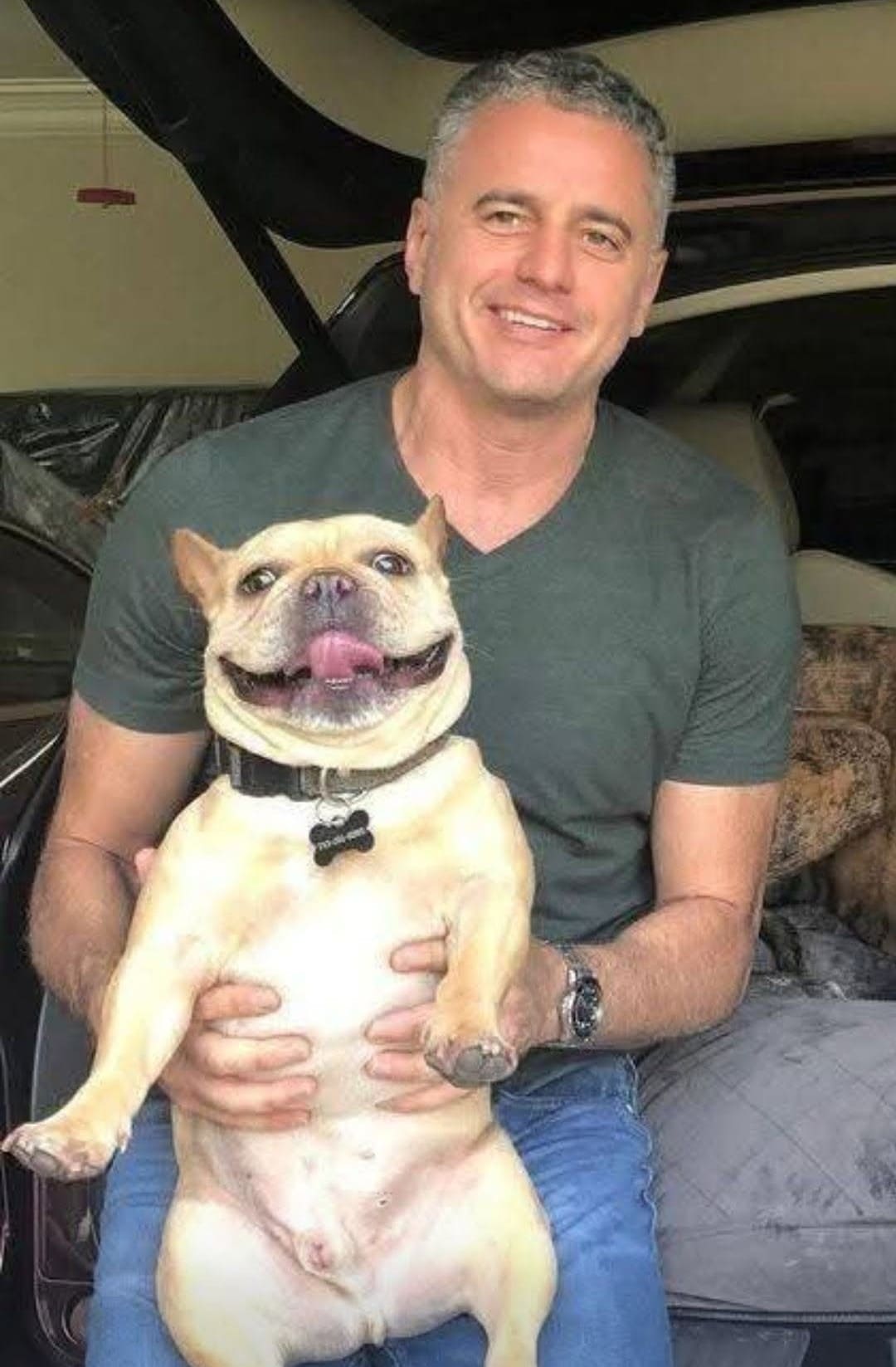
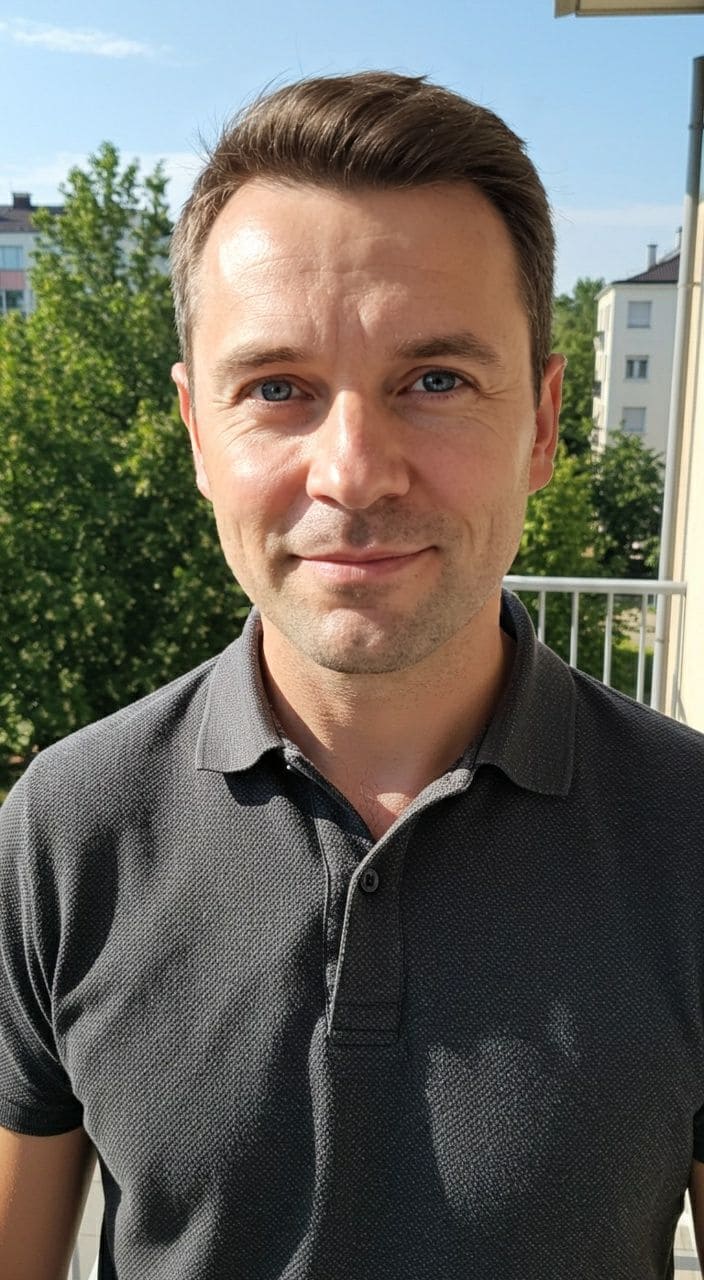
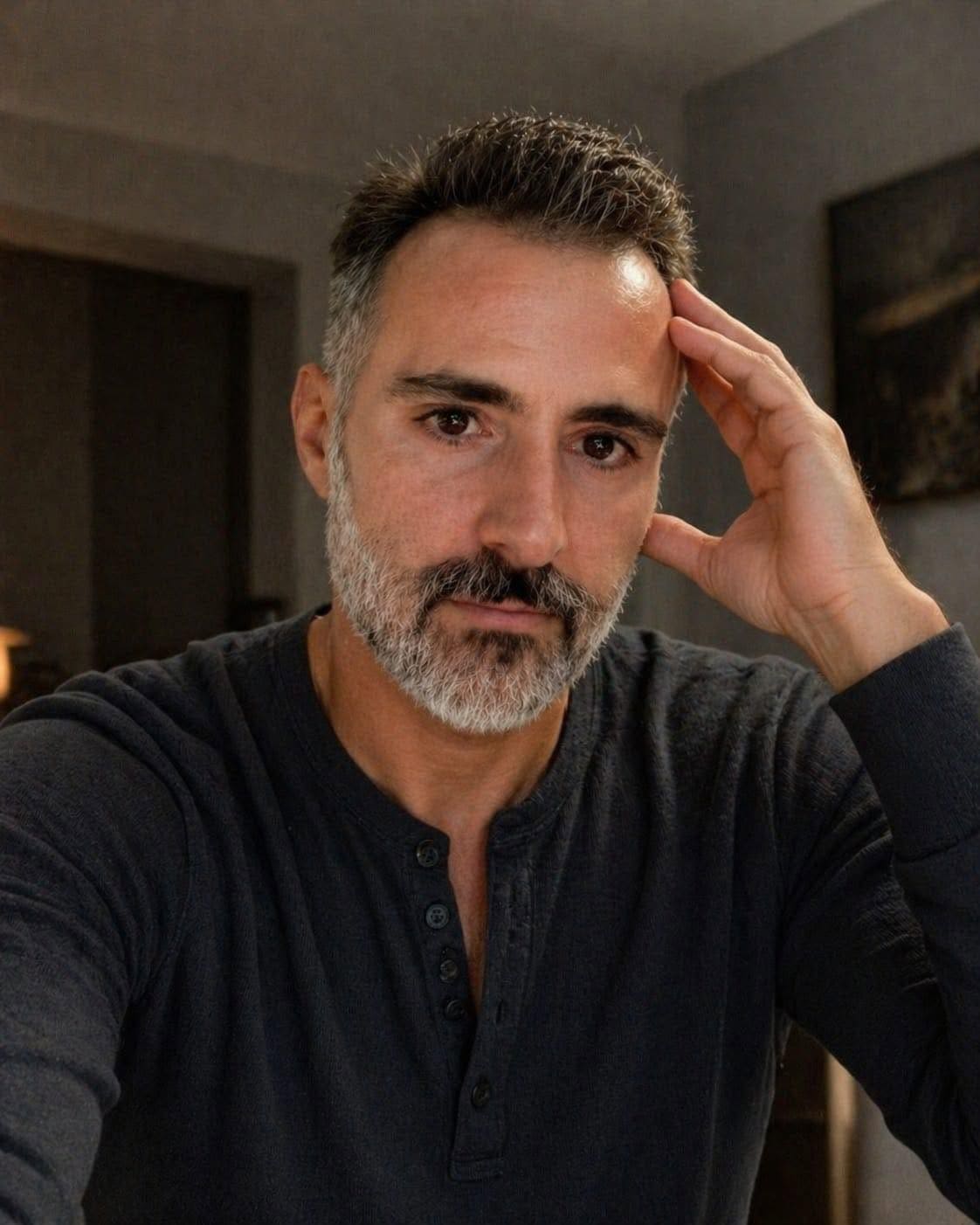
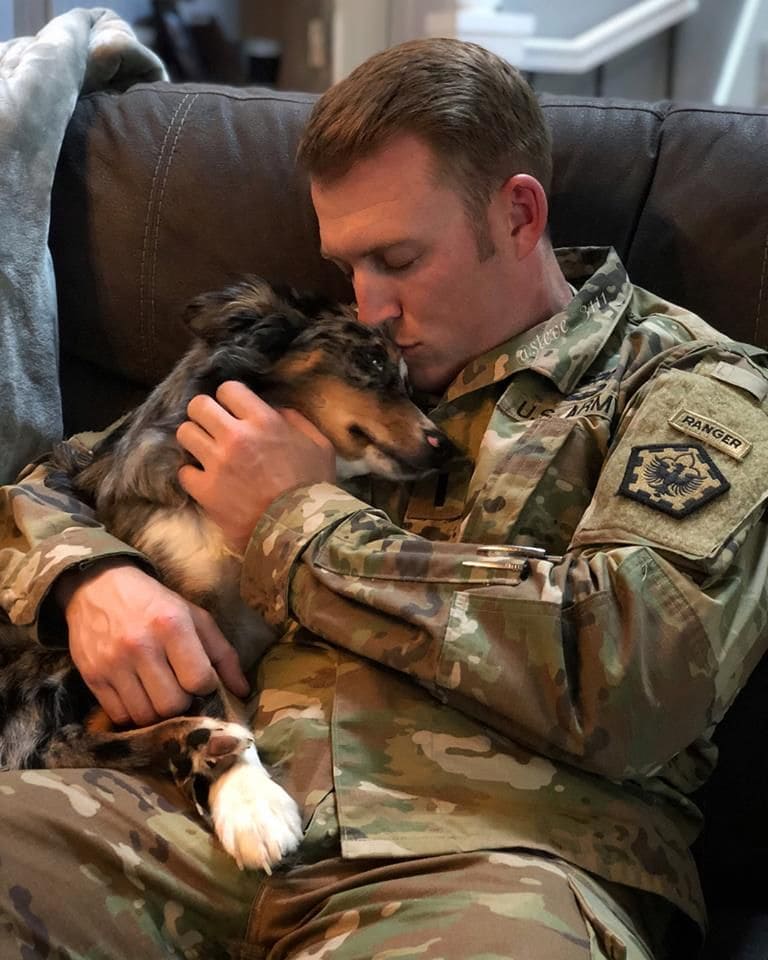
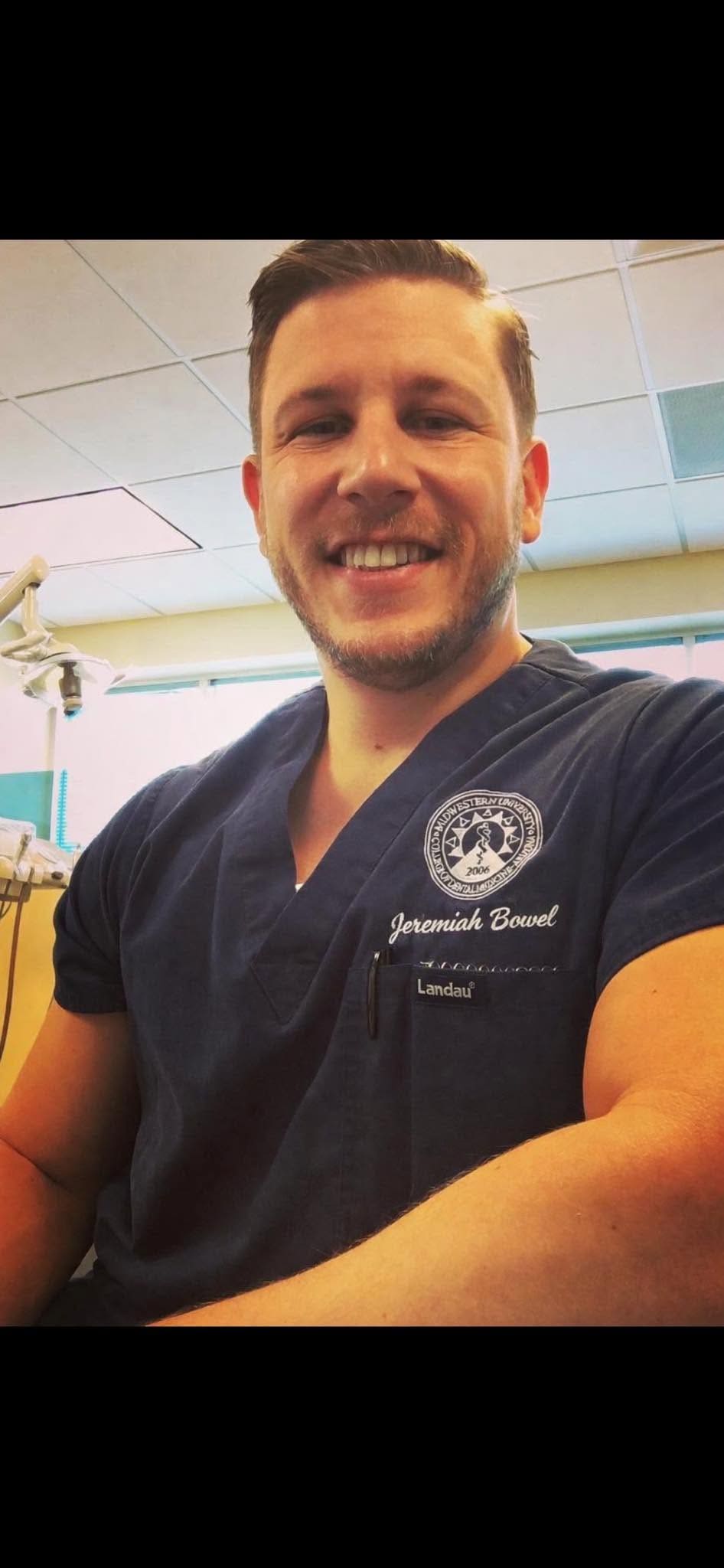



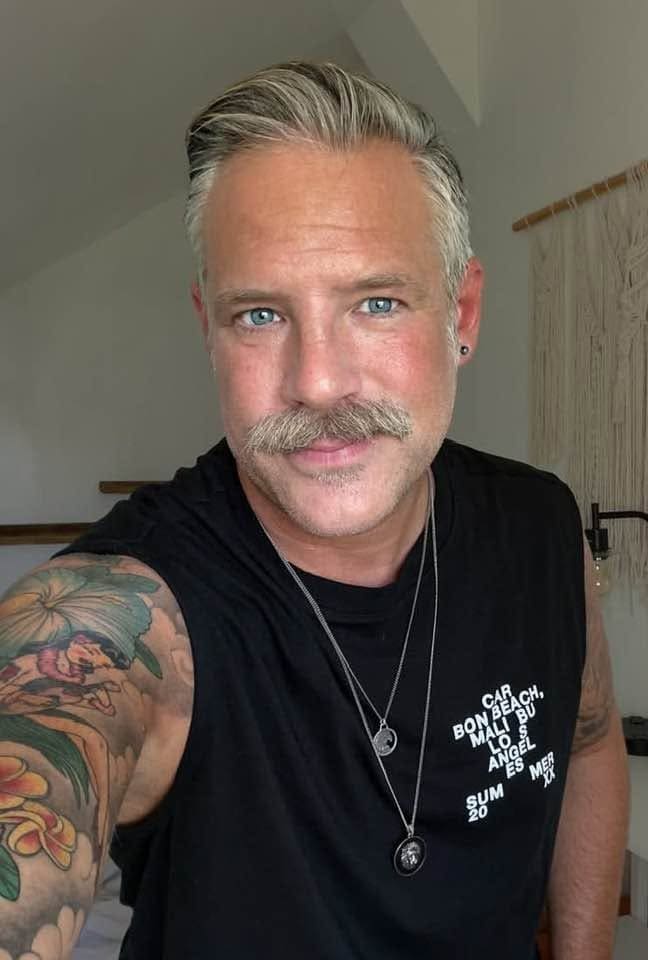

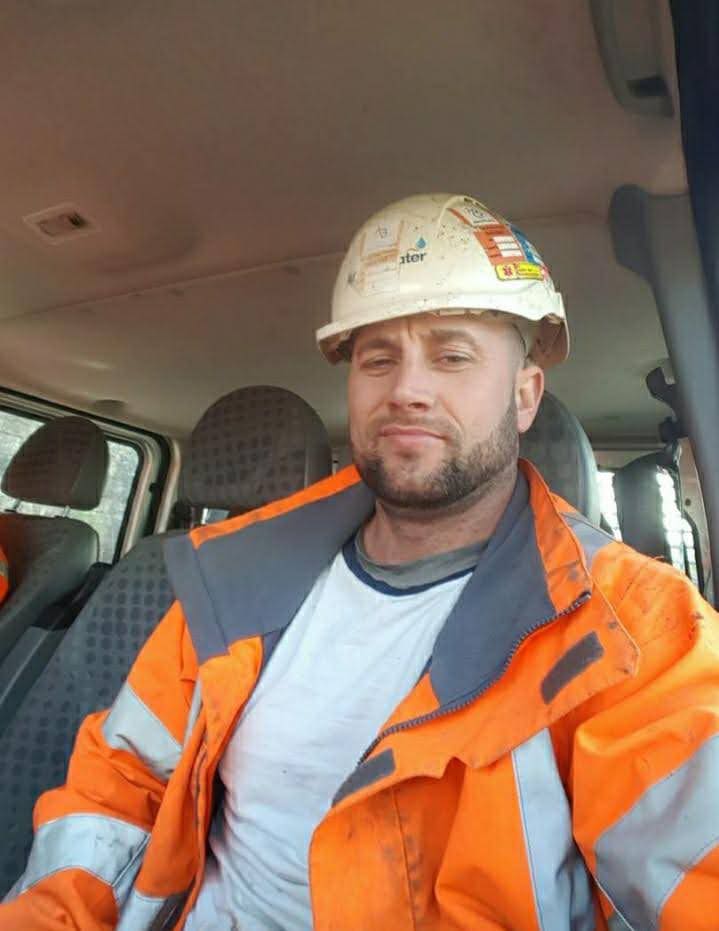





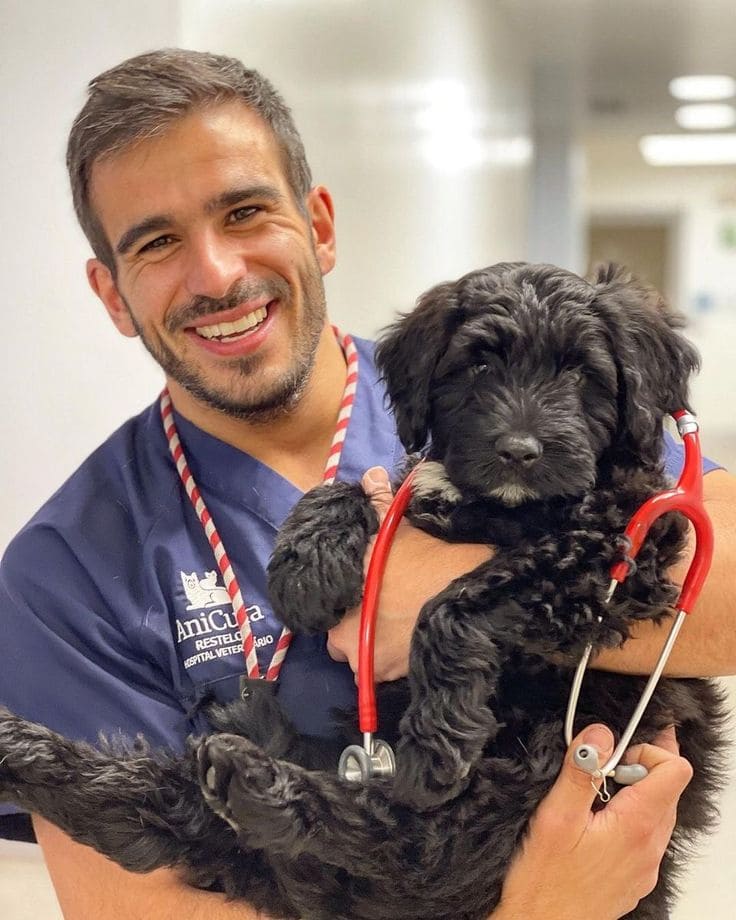
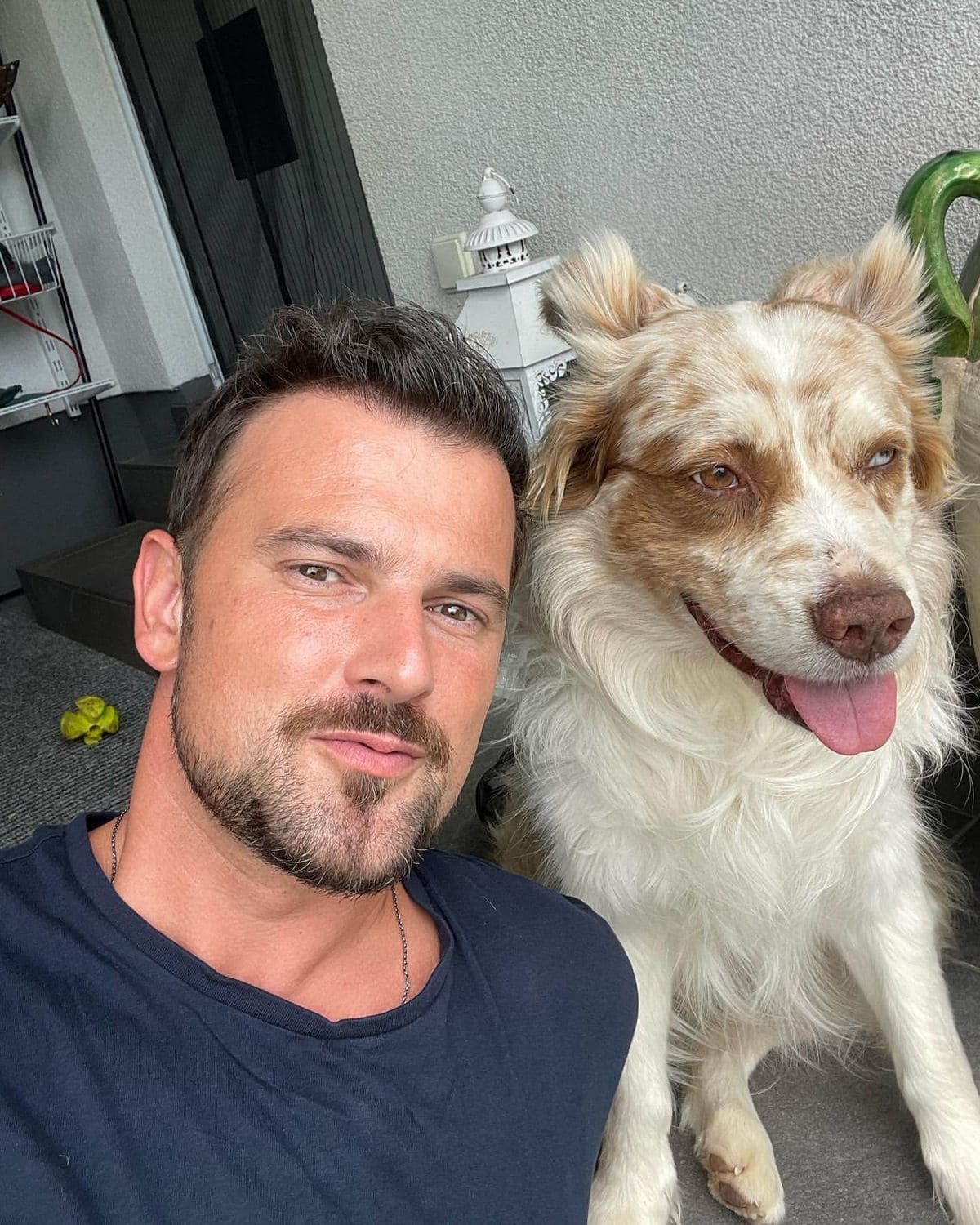


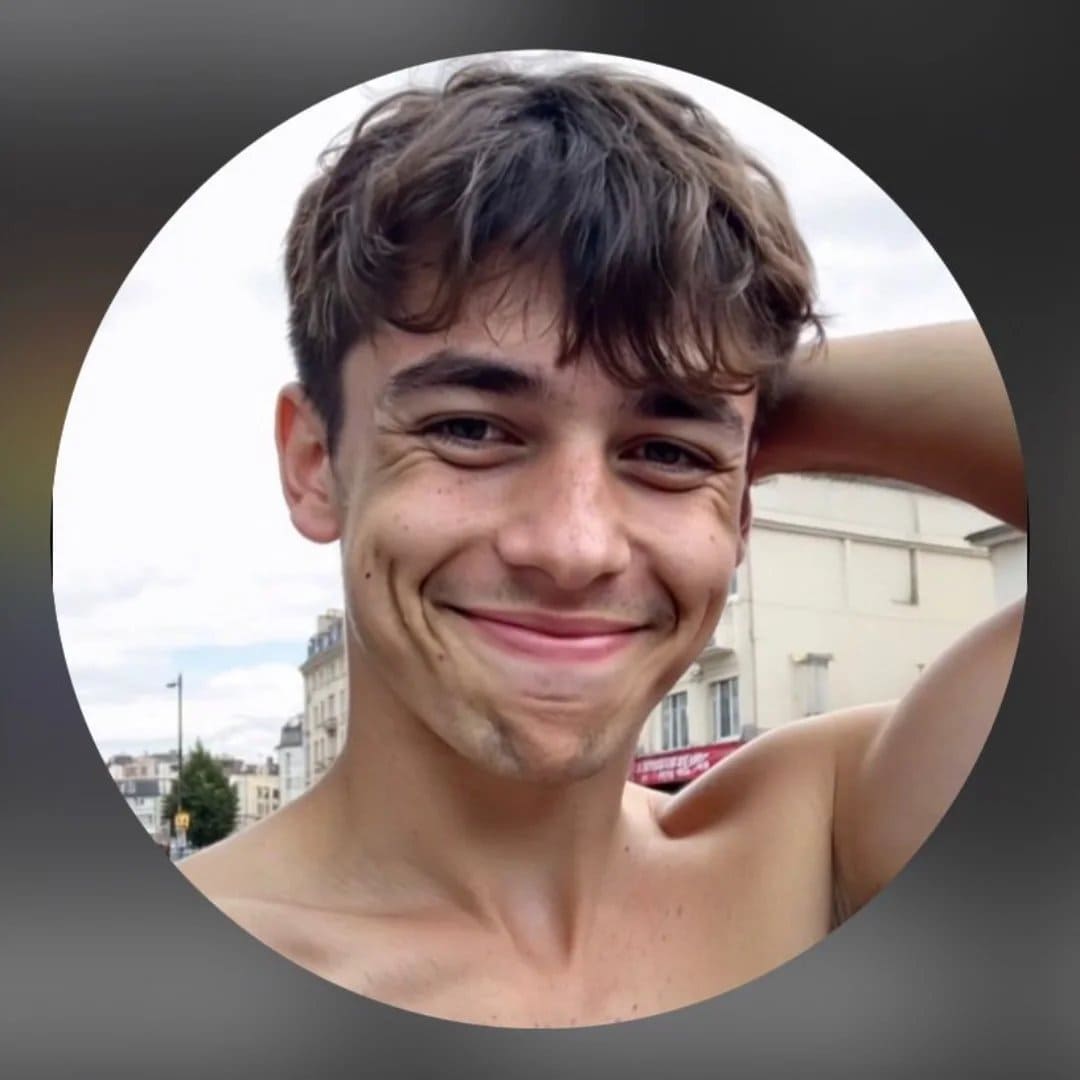
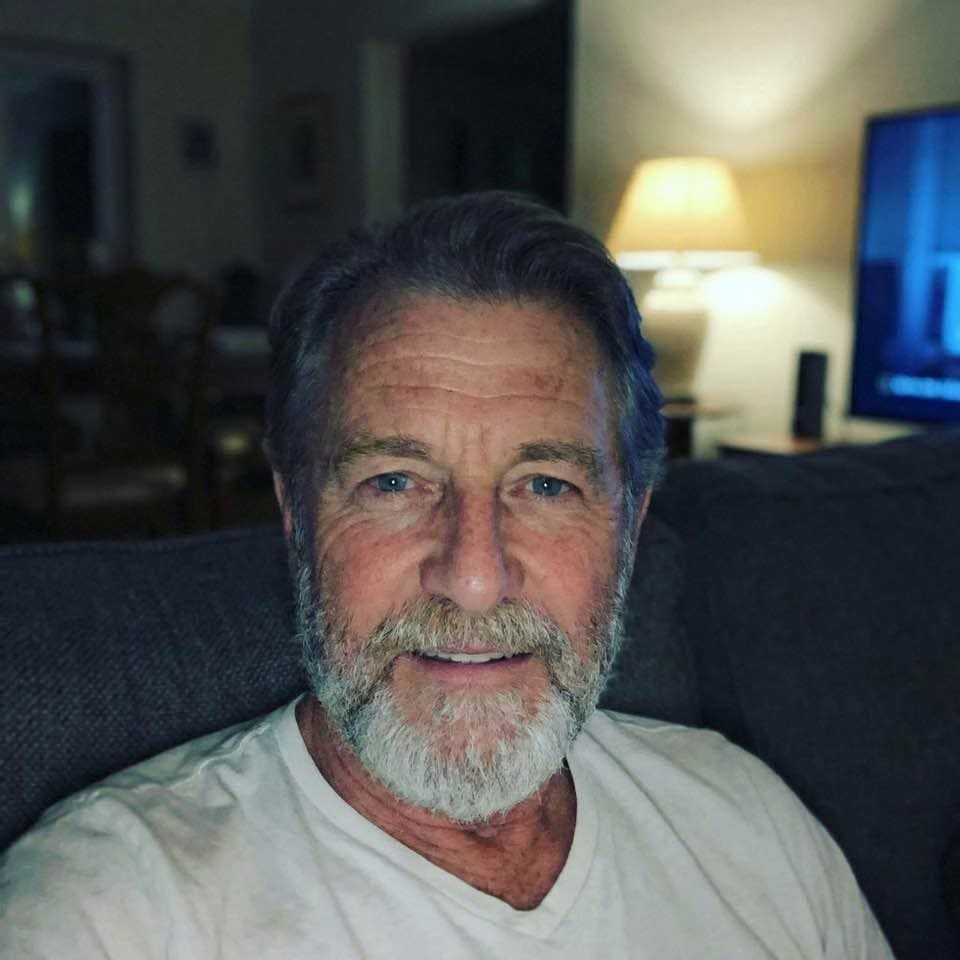
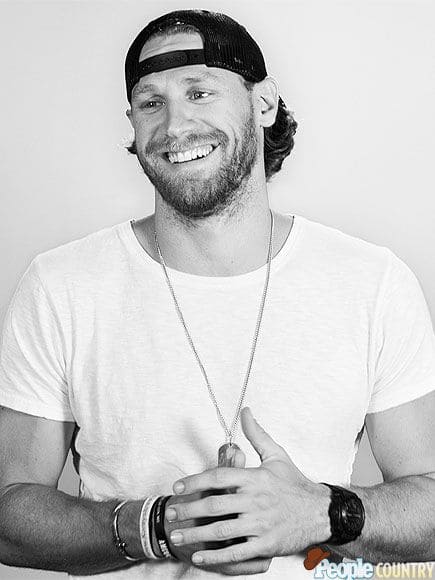



Male scammer photos showed a wider range of appearances. The images covered almost every age group – from young muscular men to grey-haired “sugar daddy-like” grandpas:
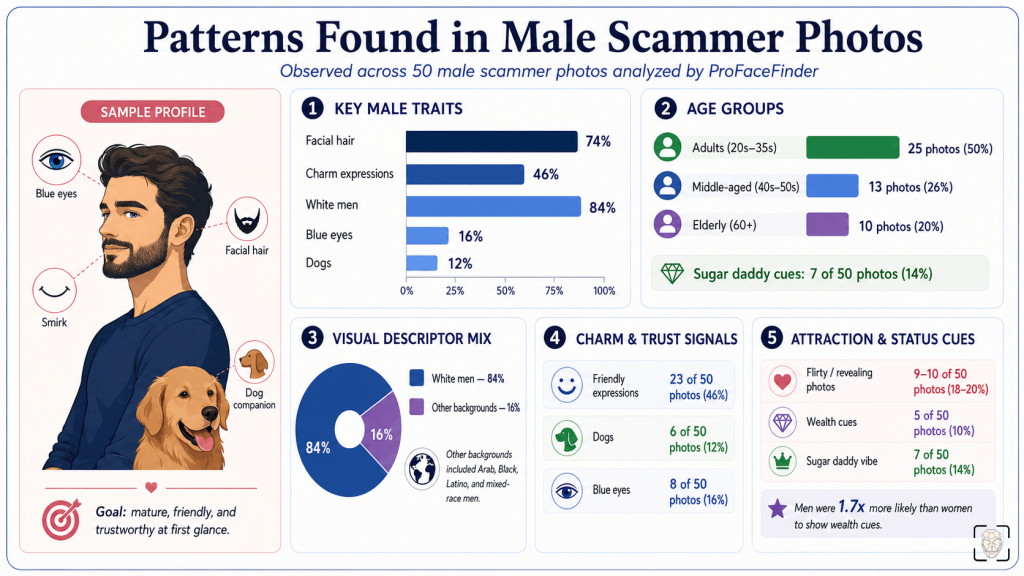
- 🧑Adults (20s–35s) featured 25 photos.
- 👨Middle-aged (40s–50s) featured 13 photos.
- 👴Elderly (60+) featured 10 photos.
While the ages varied, charm was consistent.
23 out of 50 images (nearly half) featured expressions like wide smiles, dimples, smirks, or playful winks to create a friendly and approachable impression.
And let’s face it, a good set of dimples can be surprisingly persuasive, especially when paired with piercing blue eyes, which popped up in 8 of the photos.
If a disarming smile isn’t enough, scammers brought in the ultimate wingman: a pet. In 6 out of the 50 photos (12%), the men are pictured with a dog.
Fair enough, as based on Mitchell et al. (2022), pets can make dating profiles appear more approachable and trustworthy.
The strongest pattern was facial hair: 74% of men had a beard, mustache, or stubble.
According to Nicholson (2024), facial hair shapes first impressions – different styles may be linked to attractiveness, masculinity, and maturity. 9–10 out of 50 images (18–20%) also included:
- 🔥Shirtless or exposed-chest photos
- 🏖️Beach or lifestyle shots
- 💪Muscular selfies
- 😏Winks, playful or flirty poses
While the poses vary, the ethnicity doesn’t. Scammers stuck to an incredibly narrow casting script this time, based on ProFaceFinder’s analysis of 50 photos:
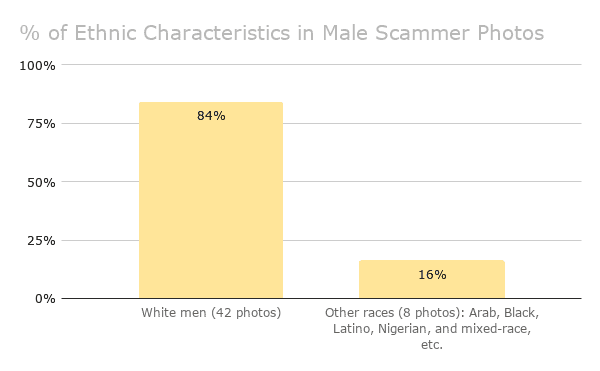
Compared to female images, male photos were 1.7x more likely to show wealth cues designed to sell the illusion of success, such as the following:
- 🛥️ Yachts
- 🌆 Luxury views
- 🚗 Expensive cars and clothing
- 🏙️ Wealthy neighborhoods
A lot of these images leaned into the “sugar daddy” image: confident, successful, and living a high-comfort lifestyle.
Most Common Careers Behind Romance Scammer Photos
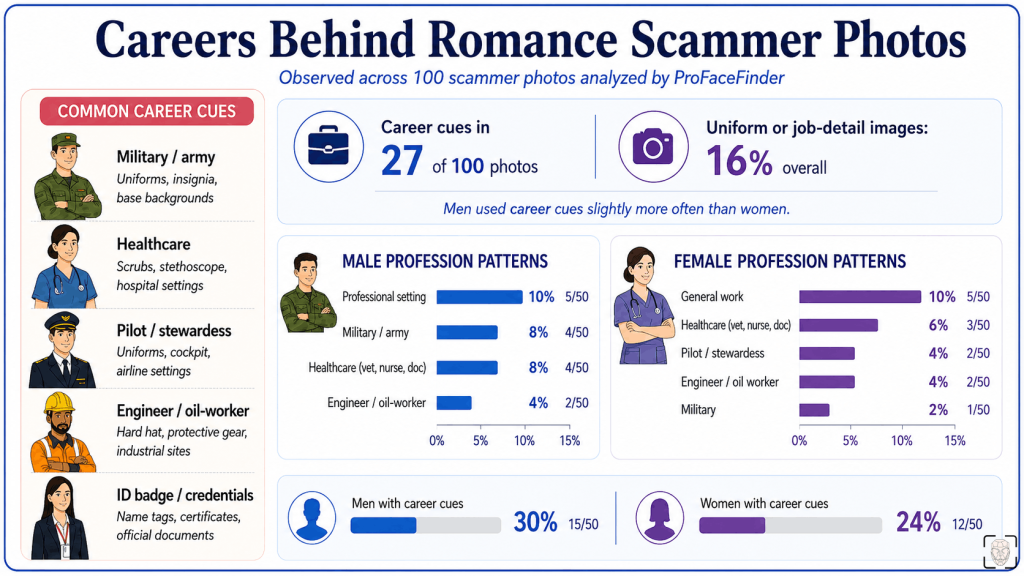
Across our sample of 100 photos, 28 of the scammer images had professional uniforms or job-related details in their pictures.
👨⚕️Men used career cues slightly more often.
15 out of 50 male images included work-related signs like army uniforms, scrubs, stethoscopes, suits, oil-related jobs, or engineer uniforms:
MALE PROFESSION PATTERNS
Professional setting: 10% (5/50)
Military / US army: 8% (4/50)
Healthcare (vet, nurse, doc): 8% (4/50)
Engineer / oil worker: 4% (2/50)
👩⚖️ Women had fewer career clues.
Nearly 1 in 4 female images included work-related signals like ID badges, name tags, scrubs, pilot uniforms, engineer uniforms, or framed certificates.
FEMALE PROFESSION PATTERNS
General work: 10% (5/50)
Healthcare (vet, nurse, doc): 6% (3/50)
Pilot / stewardess: 4% (2/50)
Engineer / oil worker: 4% (2/50)
Military: 2% (1/50)
Romance scammers don’t show these jobs by accident.
Ipsos’ 2024 Global Trustworthiness Index found that doctors are among the world’s most trusted professionals.
Catfish take advantage of that trust by using uniforms and job titles to:
- Explain long absences
- Avoid video calls
- Build trust before asking for money
How Scammers Create Believable Identities
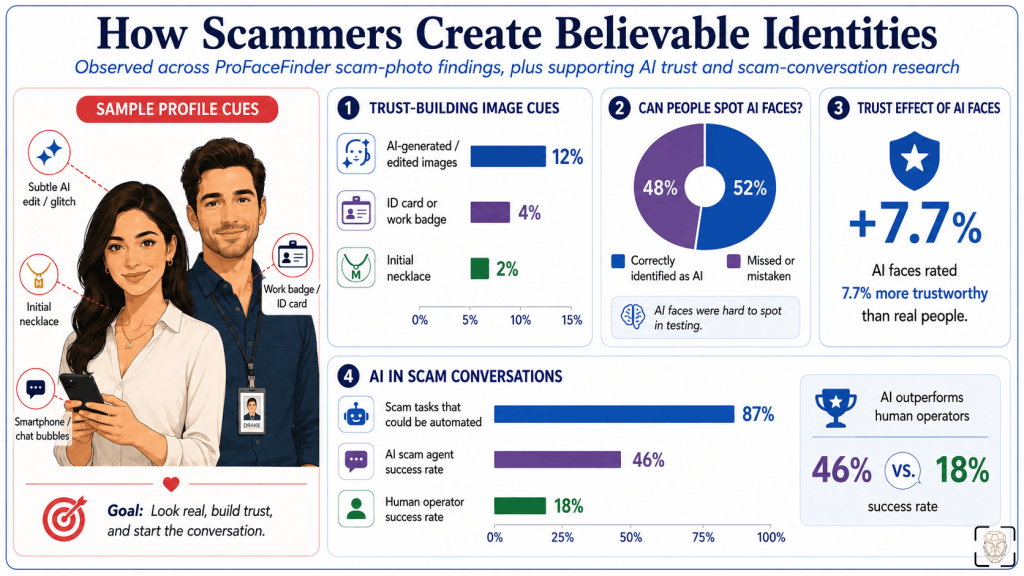
Scammers are getting better at bypassing standard security. The INTERPOL and the FBI have documented organized scam activity across regions, including:
- Africa
- Russia/Eastern Europe
- India
- China
- Philippines/Southeast Asia
Looking at the images, our face search data revealed several trust-building techniques, including AI generation or editing signs in about 12% of photos.
Nightingale & Farid (2022) found that AI-generated faces were hard to spot, with participants identifying them correctly only 48% of the time.
As AI evolves, these images are becoming harder to identify. Some AI faces were even rated 7.7% more trustworthy than real people.
New research shows that AI can help scammers build trust through conversation, making fake profiles feel more responsive, patient, and emotionally convincing.
In fact, 87% of romance scam work involved chats that could be automated, and in testing, an AI scam agent achieved a 46% success rate, compared to 18% for human operators.
The ProFaceFinder reverse image search tool also found smaller “proof” details designed to make fake identities more real.
- 4% of photos showed someone holding an ID card or a work badge.
- 2% included a necklace with an initial to help solidify fake names.
The Takeaway: If a profile looks flawless or has a job that keeps them from real-time encounters, run a scammer photo search.
Taking a few seconds to verify a face can save you from a lifetime of heartbreak and financial loss.
Methodology, Privacy & Ethics of this Research
This research analyzed anonymous image patterns found through ProFaceFinder’s face search tool, which finds the sources of photos online.
We analyzed recently searched images linked to scam-related activity across dating platforms, websites, social media, messaging apps, and platforms like:
- Google Chat
- Google Hangouts
- Words With Friends (WWF)
The analysis focused only on image trends – not individuals. No usernames, IP addresses, personal details, or search history were collected.
All findings are based on aggregated, anonymized data to identify common scammer photo patterns while protecting user privacy.
If you suspect someone is using your photos without permission, a reverse face search can help you check where those images appear online.
Sources:
- Untrustworthy beauty: Beautification strategies cause female applicators to be perceived untrustworthy.
- The effect of women’s suggestive clothing on men’s behavior and judgment: a field study – PubMed
- Do Women Prefer Men With Beards? | Psychology Today
- Wanna See My Dog Pic? A Comparative Observational Study of the Presentation of Animals on Online Dating Profiles in Vienna and Tokyo – PMC
- [2512.16280] Love, Lies, and Language Models: Investigating AI’s Role in Romance-Baiting Scams
- 260 suspected scammers arrested in pan-African cybercrime operation
- Protecting Americans from China-Linked Scam Centers: An Update on Emerging Trends
- Advice on Scams
- Scammers Target Older Adult Victims — FBI

 EN
EN  DE
DE  ES
ES  PT
PT  RU
RU  JA
JA  ZH
ZH
Leave a Reply