
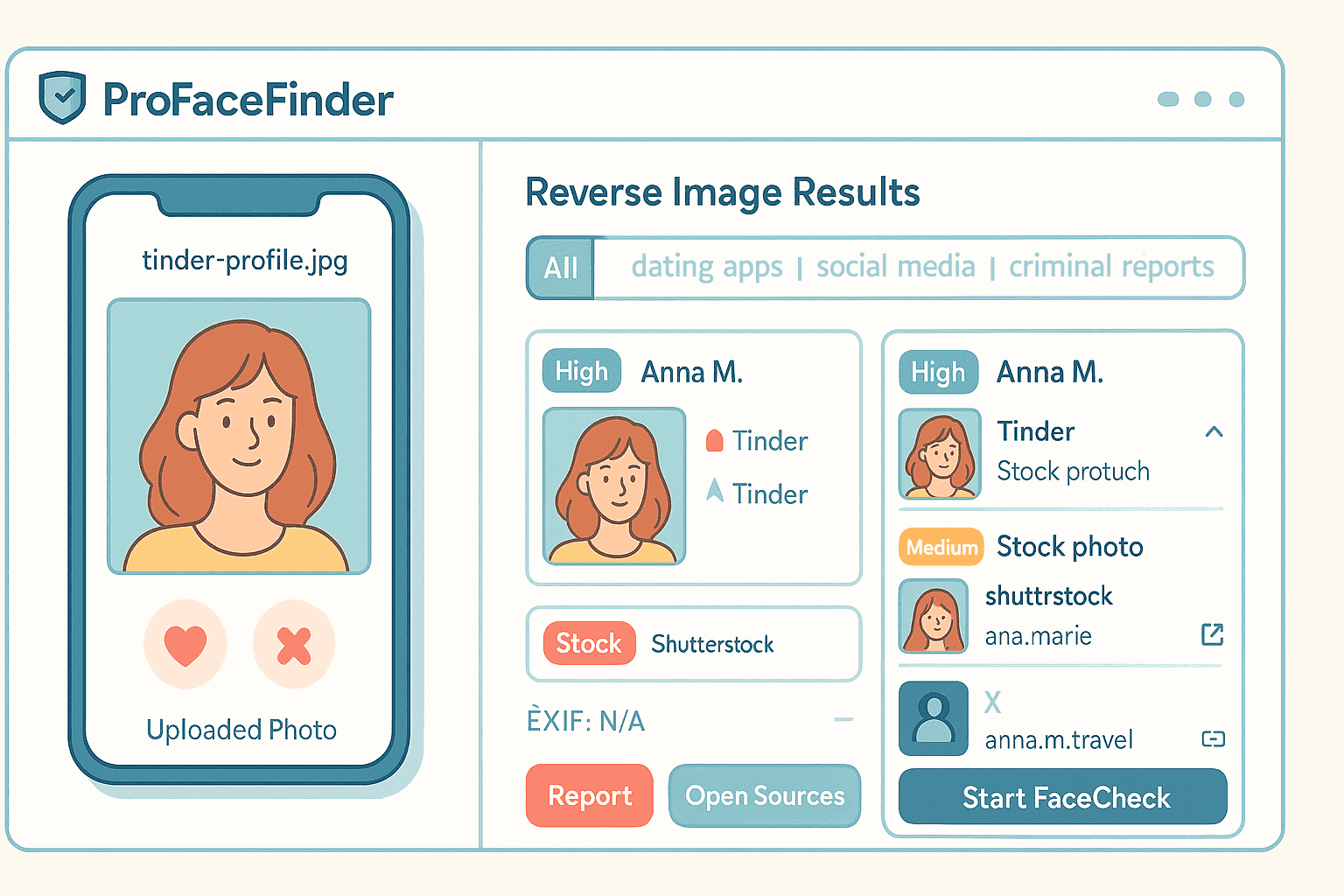
ProFaceFinder helps you find adult performers by image instead of text. Upload a clear photo or screenshot, and ProFaceFinder compares the face against public adult performer sources to show possible matches.
No name, scene title, or keywords needed.
Reverse Porn Face Search
Find Adult Performer Matches by Image
Upload a clear, permitted photo or screenshot. ProFaceFinder searches public adult content sources for possible face matches, related images, and source pages.
Only upload images you own, have permission to use, or are legally allowed to search. Do not upload private images, leaked content, minors, or non-consensual material.
What You Can Use ProFaceFinder For
Use ProFaceFinder when:
- You have a screenshot but do not know the performer’s name
- You want to find a public adult performer from an image
- You want to check if two adult images show the same performer
- You want to find the original source of a scene or thumbnail
- You want to search by face instead of title, tag, or keyword
- You want to check if your own image appears in public adult results
ProFaceFinder is useful when Google Lens, TinEye, or Yandex Images do not return clear results. Those tools are good for exact or similar images. ProFaceFinder focuses on face-based matching for adult performer search.
How ProFaceFinder Works
Start with the Image. Skip the Guesswork.
Upload a permitted screenshot and let ProFaceFinder search for possible adult performer matches, related images, and source pages.
1. Upload a clear image
Choose a photo or screenshot where the face is visible. A front-facing image works best.
Avoid blurry images, dark frames, filters, watermarks, and heavy crops.
2. The system checks facial features
ProFaceFinder analyzes the visible face in the image. It looks for visual patterns that can help match the person with public adult performer results.
3. Review possible matches
The results may show similar faces, performer pages, related images, or public source links.
Check the closest matches first. Some performers may look similar, so review results carefully.
4. Try another image if needed
One screenshot is not always enough.
Try another frame with better lighting, a clearer face, or a different angle. A better image can produce better results.
Tips for Better Porn Face Search Results
Image-Based Performer Search
Got a Screenshot? Search the Face.
Upload a permitted image and let ProFaceFinder check public adult sources for possible matches and related pages.
- Use a clear face image.
- Crop the image around the face.
- Use good lighting.
- Avoid motion blur.
- Avoid heavy filters.
- Avoid screenshots with text over the face.
- Try more than one frame from the same video.
Better images lead to better matches.
ProFaceFinder vs Other Search Tools
Google Lens, TinEye, and Yandex Images are general reverse image search tools that work best for finding the same or similar images online. PimEyes and FaceCheck.ID is a broader face search tools that scan public web pages and profiles.
ProFaceFinder is focused on adult performer discovery. It helps users search for possible public adult performer matches from screenshots, thumbnails, cropped images, and other adult-content images without relying on names or keywords.
Responsible Use
ProFaceFinder is not made to expose private people.
Do not use this tool to stalk, harass, shame, blackmail, dox, or identify private individuals.
Do not upload:
- Images of minors
- Leaked intimate images
- Private photos
- Revenge porn
- Non-consensual content
- Hidden-camera content
- AI-generated sexual images of real people without consent
Use this tool only for lawful, consent-based, and public-source searches.
Privacy, Consent, and Removal
Adult image search must respect privacy.
ProFaceFinder supports responsible use, consent, and removal requests. People should have a way to report harmful results, request removal, or opt out where applicable.
If you find non-consensual intimate content, do not share it. Use trusted removal resources such as Google’s explicit content removal tools, StopNCII.org, platform report forms, or a DMCA takedown request when relevant.
ProFaceFinder is a search tool. It should not be used to spread harmful content.
Frequently Asked Questions
How accurate are adult performer face search results?
Accuracy depends on factors such as image quality, lighting, face visibility, and the availability of matching public content.
For best results, use a clear image with a visible face and review all matches carefully rather than relying on a single result.
Can I upload any photo to search?
No. Only upload images you own, have permission to use, or are legally allowed to search.
Do not upload private, leaked, or non-consensual images.
What should I do if I find content related to me?
If your image or content appears in search results and you believe it should not be publicly available, you can request removal through the relevant platform or website.
You may also use trusted resources such as Google removal tools, StopNCII.org, platform reporting systems, and DMCA takedown processes where applicable.
Start with the Image. Skip the Guesswork.
Upload a permitted screenshot and let ProFaceFinder search for possible adult performer matches, related images, and source pages.
 EN
EN  DE
DE  ES
ES  PT
PT  RU
RU  JA
JA  ZH
ZH
Leave a Reply